
The Most Reliable Miata Generation: A Comprehensive Guide
Shopping for a used MX-5? They’re generally reliable, but details matter—rust traps on older cars, key recalls on newer ones, and added complexity like power hard tops. This guide keeps things friendly and practical so you can choose the Miata that simply works.


If you’re hunting for a used MX-5, “they’re all reliable” is mostly true, but it’s the small stuff that makes a big difference: rust traps on older cars, a few recall windows on newer ones, and whether you’re adding complexity like a power hard top. This guide keeps the vibes friendly and the advice practical so you can pick the Miata that just works.
The Quick Answer...
All generations are solid, but the reliability story shifts once you factor in age, rust, recalls, and complexity. The NA and NB are wonderfully simple but now old enough that corrosion and tired plastics can be the main reliability deciders. The NC pairs modern build quality with old-school simplicity, especially as a soft-top. The ND is strong overall, with the cleanest ownership experience from 2019 onward. For most buyers who want durable, low-drama ownership without paying top-dollar for brand-new, the NC (2009–2015) soft-top is the sweet spot.
What Counts as “Reliable”
We looked at long-run reliability studies, recall and TSB patterns, generation-specific failure trends from owner communities and buyer’s guides, and the boring but important stuff like parts pricing, repair difficulty, and the way each generation ages. Powertrain durability, rust susceptibility, repeat failures, and the “aging penalty” of each platform drove the final call.
NA & NB: Aged Like Fine Wine but Often Abused
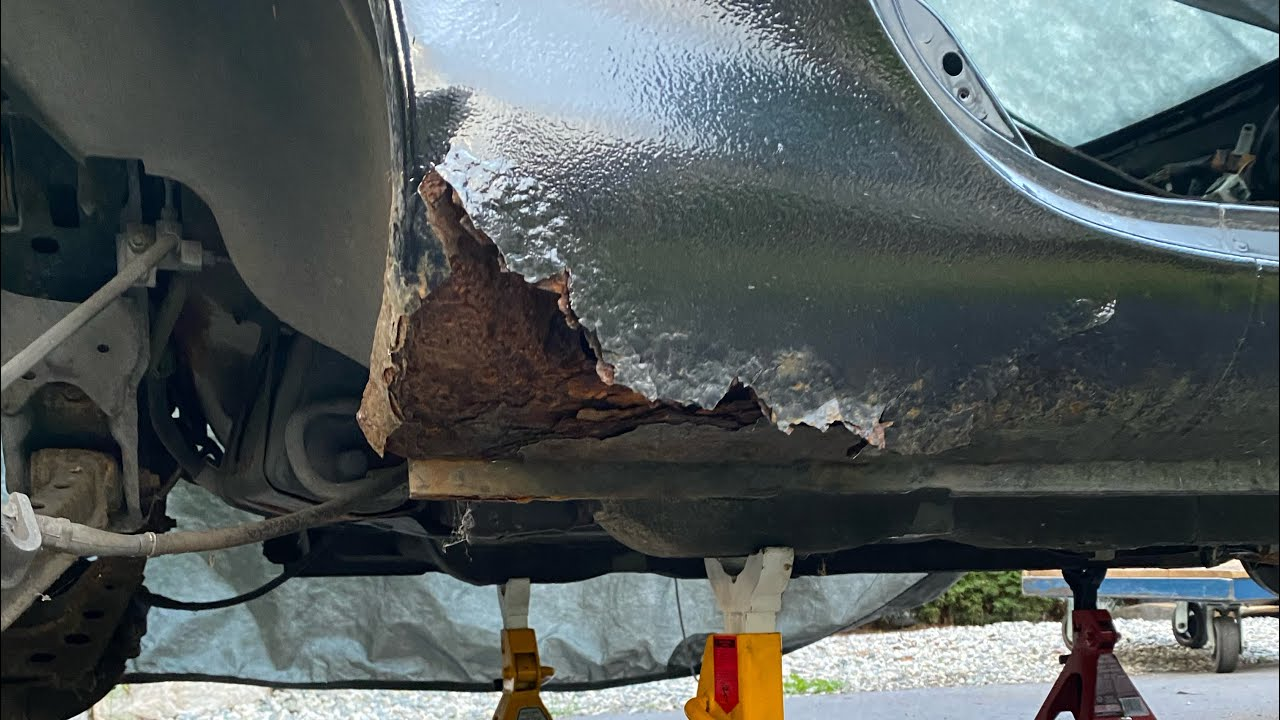
The NA (1990–1997) is a mechanical sweetheart: simple BP engines, minimal electronics, and cheap consumables. Its biggest reliability enemy is time. Rocker and sill corrosion on convertibles is structural rather than cosmetic, and clogged drains make it worse. Many cars also need rubber, cooling, and hydraulic refreshes before they’re truly “set and forget.”
The NB (1999–2005) refines the recipe but inherits the same age curve. The headline caution is front frame-rail rust in salted climates, where double-skin rails can rot from the inside out. A rust-free NB is fantastic; a crusty one can turn routine maintenance into invasive metal work. If you shop in salt states, make rail inspection non-negotiable.
NC: Modern Enough, Simple Enough
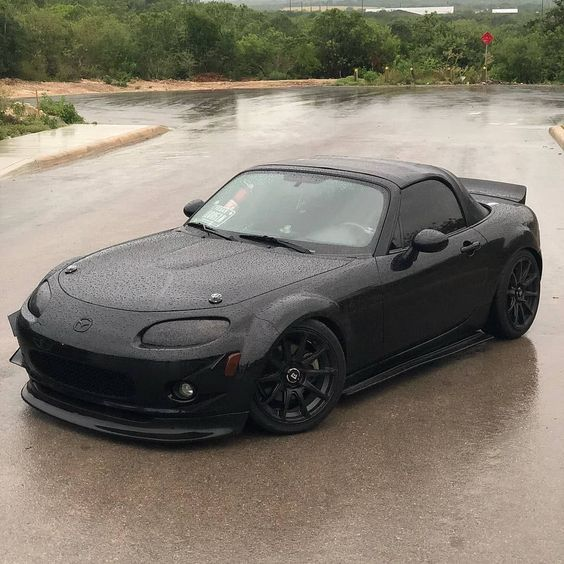
The NC (2006–2015) runs a robust MZR drivetrain and benefits from improved corrosion protection and more modern assembly tolerances. In community experience there’s no systemic engine or transmission “gotcha” to fear. The soft-top is the easy button because it avoids the motors, cables, and alignment sensitivities of the PRHT. Expect normal mid-life wear, wheel bearings, coolant tanks, and window regulators, but parts are available and fixes are straightforward. For reliability per dollar, this is where modernity and simplicity line up.
ND: Strong Overall, Cleanest From 2019+
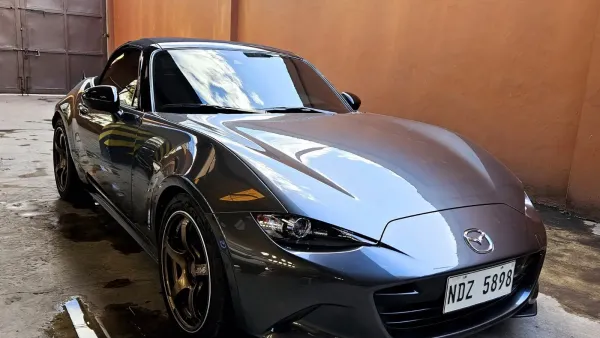
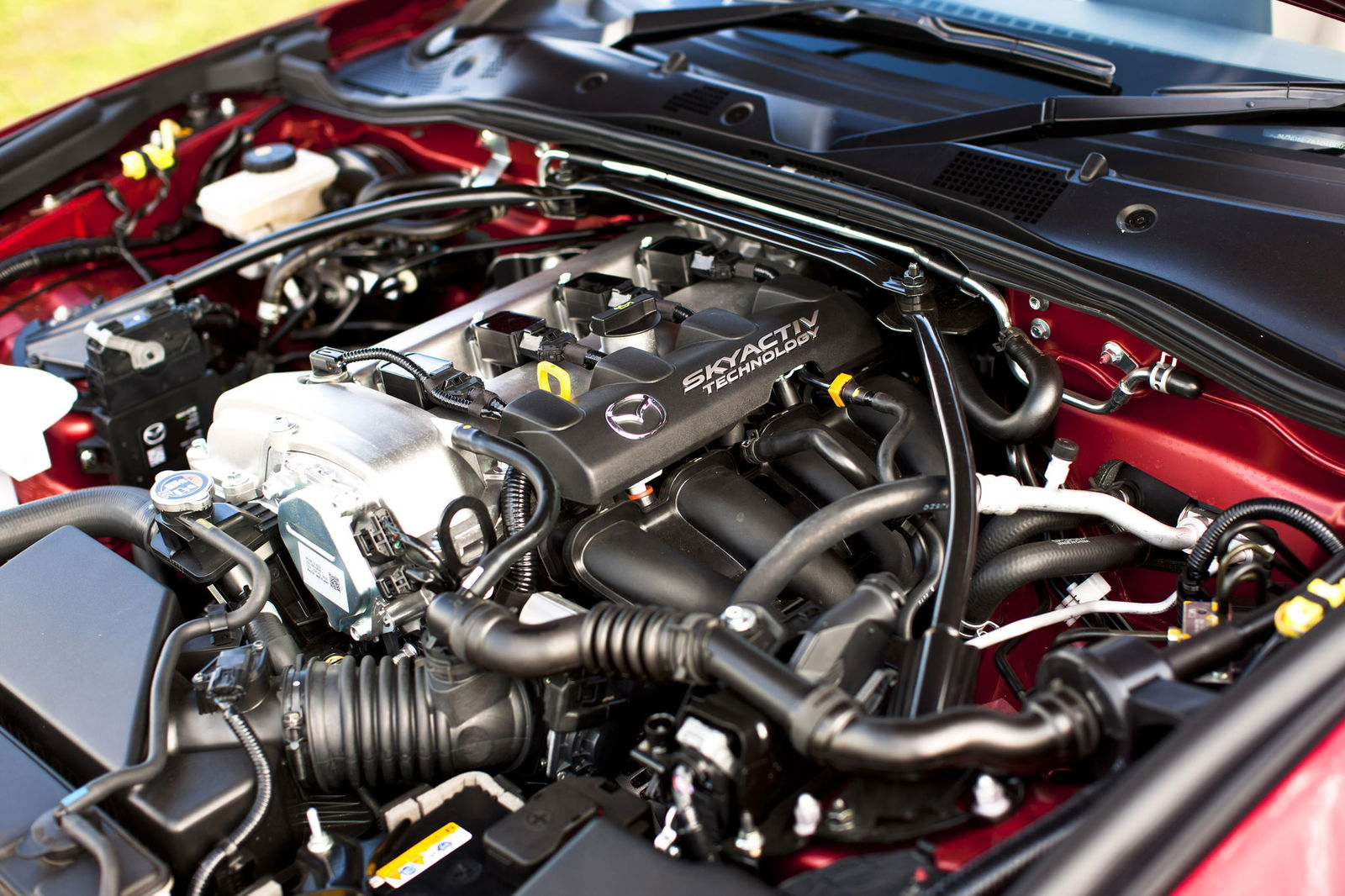
The ND (2016–present) has excellent overall reliability with a few early-run footnotes. Manual ND1 cars (2016–2018) had documented gearbox issues that Mazda addressed via TSB and replacement units; hardware revisions from 2019 onward give the cleanest story. Add the usual recall housekeeping, airbag control software and an earlier valve-spring campaign window, and you’re set. If you want the newest experience with the least caveats, 2019+ is the move.
Rust, Climate, and Aging
Convertible Miatas carry structural loads through the sills and rockers, so corrosion there on NA/NB cars is not just ugly, it changes how the car behaves and what it costs to keep safe. The NB’s front frame rails deserve an explicit callout, especially in regions that use road salt. Newer generations obviously age better, with fewer brittle plastics and improved coatings, which is a big part of why NCs feel so drama-free.
Recalls, TSBs, and Pattern Checks in One Pass
Older NA/NB cars rarely have modern recall baggage; their “recall” is time. Focus on rust, cooling system integrity, and hydraulics. The NC’s reliability picture is dominated by whether you add PRHT complexity; the soft-top mostly sidesteps it. The ND asks for simple due diligence: confirm the manual-trans TSB on early cars, make sure the airbag software update is done, and verify any valve-spring campaign completion. Do those, and the platform is impressively stout.
Pre-Purchase Inspection and Cost Expectations
A proper inspection looks the same across generations: get the car in the air, check for leaks, bushing play, alignment health, and top operation. On NA/NB cars, probe rockers and sills thoroughly and, for NBs, inspect the frame rails inside and out. On NC PRHT cars, cycle the roof repeatedly and check for chatter, misalignment, and water ingress. On early ND manuals, test for second- and third-gear behavior under load and confirm paperwork. Parts costs generally climb with model year, but newer cars save you from age-related failures; older cars have cheaper parts but can hide expensive rust.
Years to Target and Years to Double-Check
If you want the best reliability per dollar, aim for NC2/NC3 (2009–2015) soft-tops. If you want the newest with the least caveats, go ND 2019+. Be extra picky with NBs in salt states and early ND manuals without transmission paperwork. Across all generations, verify recall closure by VIN and use rust and roof condition as tie-breakers.
The Winner and the Runner-Up
The overall winner for reliability, durability, and ownership simplicity is the NC (2009–2015) soft-top. It pairs a proven powertrain with fewer moving parts, better corrosion protection than the older cars, and none of the early ND manual gearbox drama. The runner-up is the ND 2019+ for buyers who want the newest chassis with the updates baked in and are willing to pay for it.
Run the VIN for open recalls, then match your inspection to the generation: rust and drains on NA/NB (plus NB frame rails), roof operation on NC PRHTs, and TSB documentation plus recall closure on early ND manuals. If two candidates are tied, pick the one with the cleaner underside and the thicker maintenance folder. That’s the car that keeps saying yes.


