
The Forgotten Prototype Miatas You’ve Never Seen
Miata what-ifs. From the ’80s Duo 101/V705 mules to the ’96 M Coupe, NB Mono-Posto, NC Ibuki, and gram-chasing Superlight and ND Speedsters, these factory concepts tested layouts, body styles, and weight-loss ideas that still shape how MX-5s are built today.


One-offs, development mules, design studies, and factory-sanctioned concepts that tested real directions for the MX-5. Not limited-run trims or tuner builds. These oddballs are the forks in the road: layouts Mazda seriously tried, body styles they almost greenlit, and weight-loss experiments that still influence how people build Miatas today.
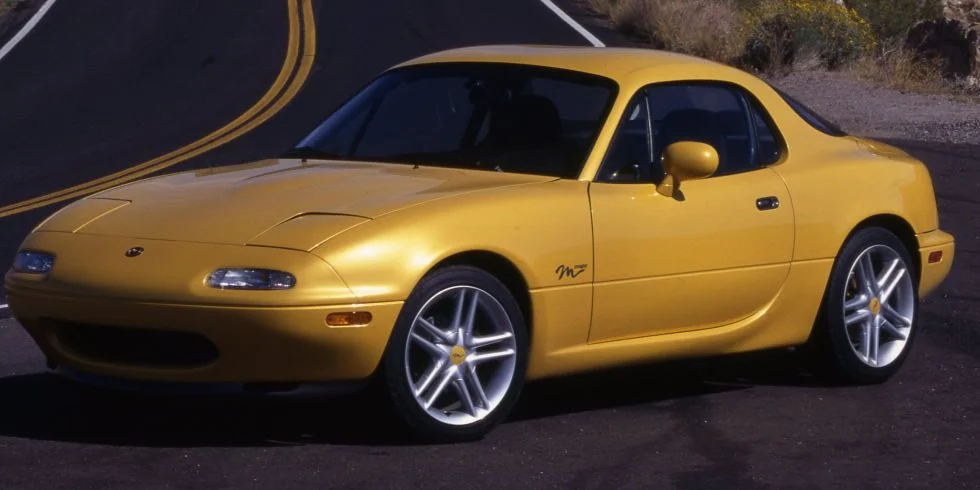
Early-to-mid ’80s, Mazda’s internal bake-off weighed FWD, mid-engine RWD, and front-engine RWD. The California team’s FR “Duo 101” vision won, and the running mule “V705” quietly toured Santa Barbara before the program got its 1986 yes. In the ’90s, NA coupe mules culminated in the 1996 M Coupe show car, stiffer, quieter, never produced. Around 1999–2000, the NB Mono-Posto pushed single-seater purity.
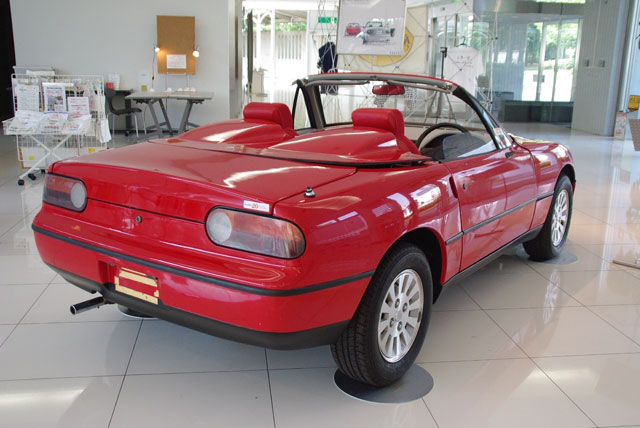
The 2003 Ibuki previewed the NC’s super front-midship packaging and bigger structural focus. From 2009–2016, Mazda chased grams: the NC Superlight (no windshield), Super20/Super25 (SEMA track/endurance vibes), and the ND Speedster/Speedster Evolution (serious weight cuts) drove the “less is more” point home.
Origins and Alternatives: Duo 101, V705, and the Layout Bake-Off
The FR roadster wasn’t a foregone conclusion. Duo 101 (full-size clay/design) and V705 (running fiberglass prototype) proved the balance between feel, NVH, cost, and serviceability you need for a real-world sports car. The MR idea was exciting but pricey and tricky to live with; the FWD path hit packaging targets but missed the magic. Public-road shakedowns showed the FR recipe felt right in normal hands, not just on a whiteboard, and that sealed it.
The Coupe That Nearly Happened
Engineers explored a true fixed roof to boost torsional rigidity and calm wind noise without losing Miata simplicity. The result, the 1996 M Coupe show car, wore a double-bubble roof and revised rear glass that read “mini GT.” On paper, it made the car tighter and quieter. In practice, leadership worried a production coupe would dilute the Roadster identity. The one-off survived as a beloved “what if,” and it still fuels modern hard-roof conversions for people who prize stiffness and winter manners.
Mono-Posto, Ibuki, Superlight, Super20/25, and ND Speedsters
Mono-Posto distilled the NB into a single-seat speedster, half doors, tiny screen, cowl mirror, telegraphing Mazda Design’s appetite for deleting everything that doesn’t serve the drive.
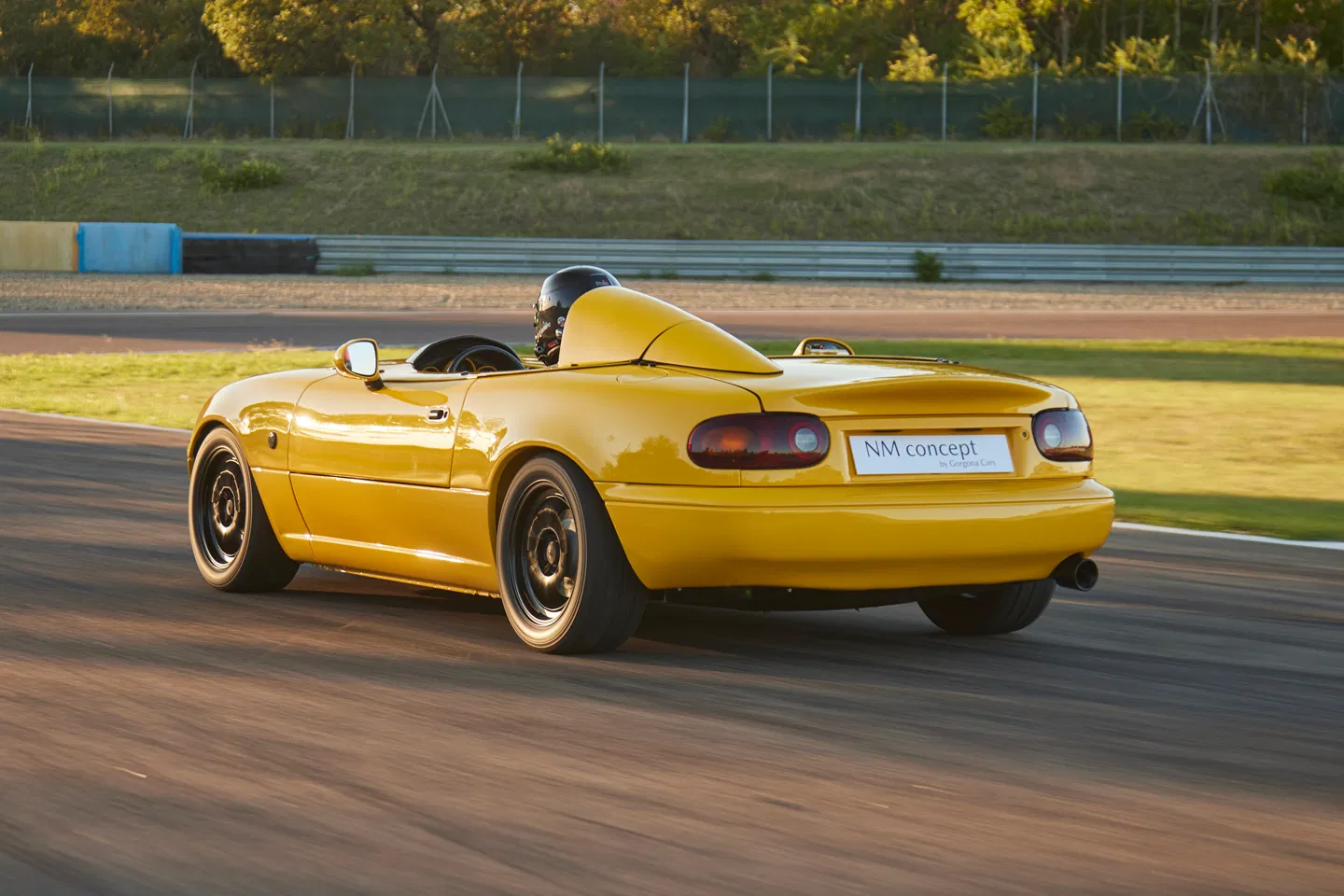
Ibuki then laid out the NC’s philosophy in concept form: engine shoved rearward into a super front-midship spot, a much stiffer backbone, and clever component placement to keep balance and usability. Superlight took the NC and ripped out the non-essentials to flirt with NA-like curb weight; Super20 added a supercharger and proper chassis bits as a birthday track toy, while Super25 leaned into endurance-race cues. With the ND, Mazda doubled down: the Speedster and Speedster Evolution nuked the roof and shed serious mass, using Cup-car-style hardware to underline the same thesis, fun scales with subtraction.
Glimpses of Ghosts
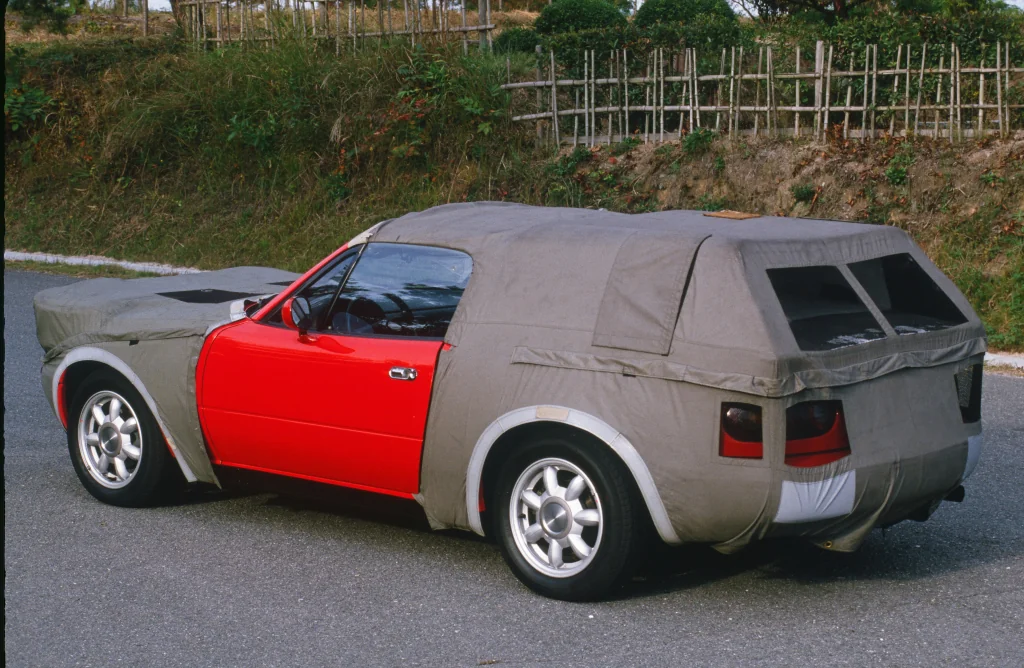
You’ll see period photos of the ’80s running mule, the oddball “1998” NB styling prototype that bridges NA surfacing to NB shapes, and the 1996 M Coupe in collection tours. Most of these cars circulate inside Mazda’s basement and internal events. They’re rolling footnotes the teams can revisit when the next MX-5 is on the board, and they’re great north stars for enthusiasts planning a themed build.
Takeaways for Builders
Start with packaging. The FR (first Miata concept) won because it balances cost, serviceability, and feel; build choices that keep that balance tend to age well. Chase weight before power. Superlight and the ND Speedsters make the same point: mass you don’t carry never needs brakes, cooling, or fuel to manage. Be honest about body style. A fixed roof tightens the shell and calms the cabin, but top-down charm is the badge’s soul. Pick your north star and let a prototype guide your plan: Superlight for weight-loss diets, Super20/25 for track stamina and serviceability, Speedster concepts for “delete with intent,” and the M Coupe for stiffness-first GT energy without forgetting why the Miata exists.


