
Pet-Friendly Road-Trip Tips & Mods in a Miata
Miatas have no rear seat and tiny trunks, so traveling with a dog means planning around the passenger seat, knowing how the airbag behaves, managing wind in a soft top, and packing light. NA/NB are ~5 ft³, NC a bit bigger, and ND soft-top/RF are the tightest of all.


Miatas are tiny two-seaters with no rear bench and very small trunks, so you can’t just “put the dog in back.” Roughly speaking, NA/NB trunks are about five cubic feet, the NC is a touch larger, and the ND soft-top and RF are the tightest. That means you have to plan around using the passenger seat, understanding how the passenger airbag behaves, managing wind exposure in a convertible, and packing with a strict cargo budget.
Safety First: Where a Pet Actually Rides
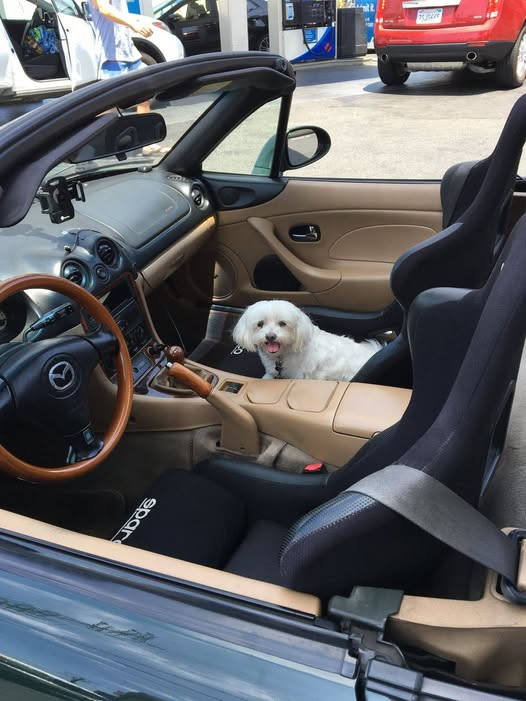
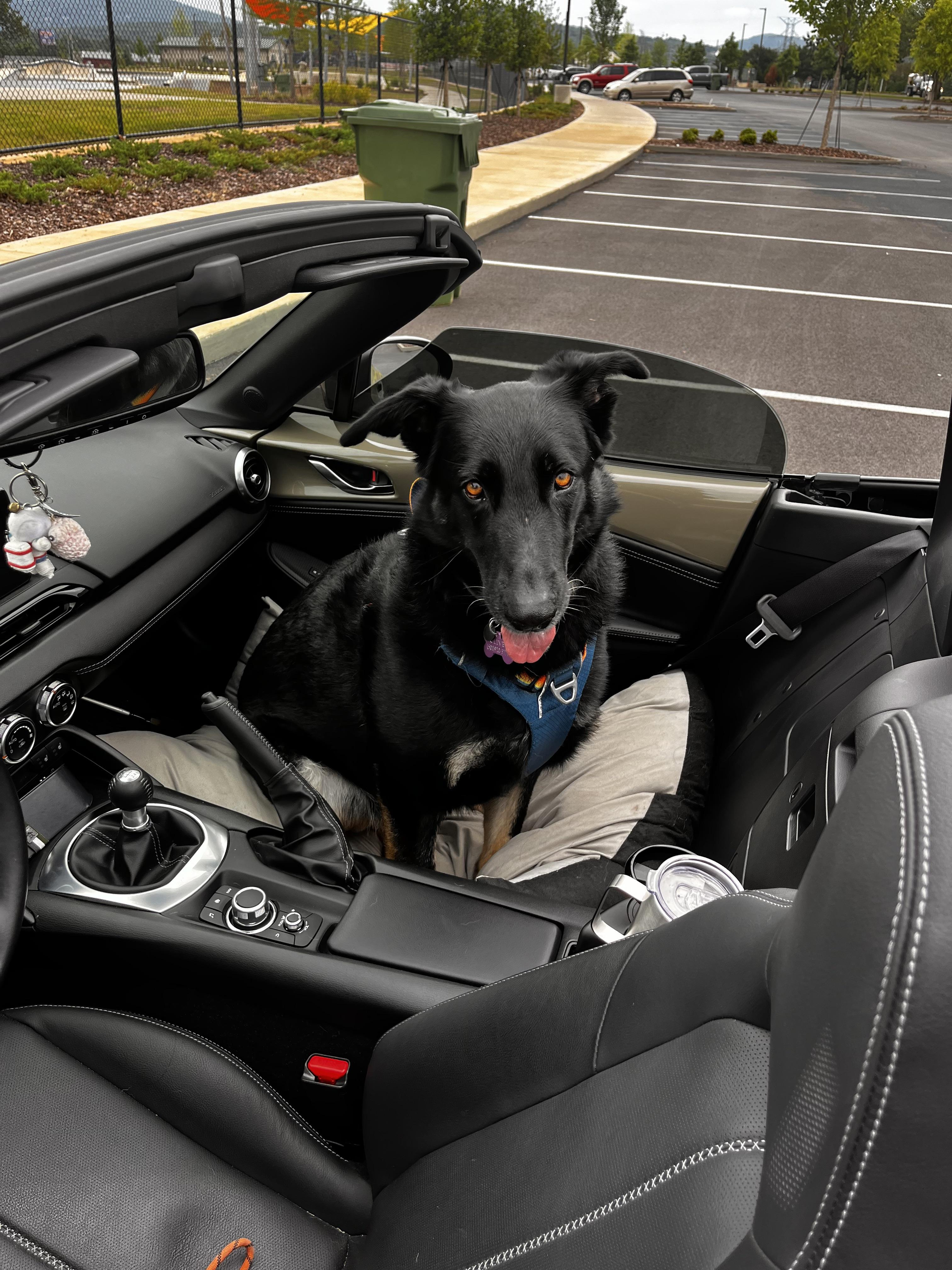
Because there’s no back seat, the only practical spot is the passenger seat. Modern Miatas use an occupant-classification system for the passenger airbag, and light weights may deactivate it, but you should never assume it’s off for medium or large dogs. Treat the passenger airbag as “on” unless the indicator clearly says otherwise. If you proceed, slide the seat fully rearward, keep the pet centered on the cushion, and always use a proper restraint. The most realistic restraint in a Miata is a crash-tested, CPS-certified harness that clips into the seatbelt. Very small pets may fit an approved carrier, but you must measure carefully because the cabin is tight. For large dogs, the platform simply isn’t ideal from a safety and comfort standpoint.
Heat, Wind, and Health Realities
Interior temperatures climb frighteningly fast, even on mild days and even with windows cracked. Never leave a pet unattended in a Miata, top up or down. Build the trip around pet-safe stops so one person can stay with the animal. Top-down cruising also brings wind and noise. Continuous buffeting can dry eyes and irritate airways, so keep speeds modest with an animal aboard, use a wind-deflector, and take frequent hydration breaks.
Trip Planning That Actually Works
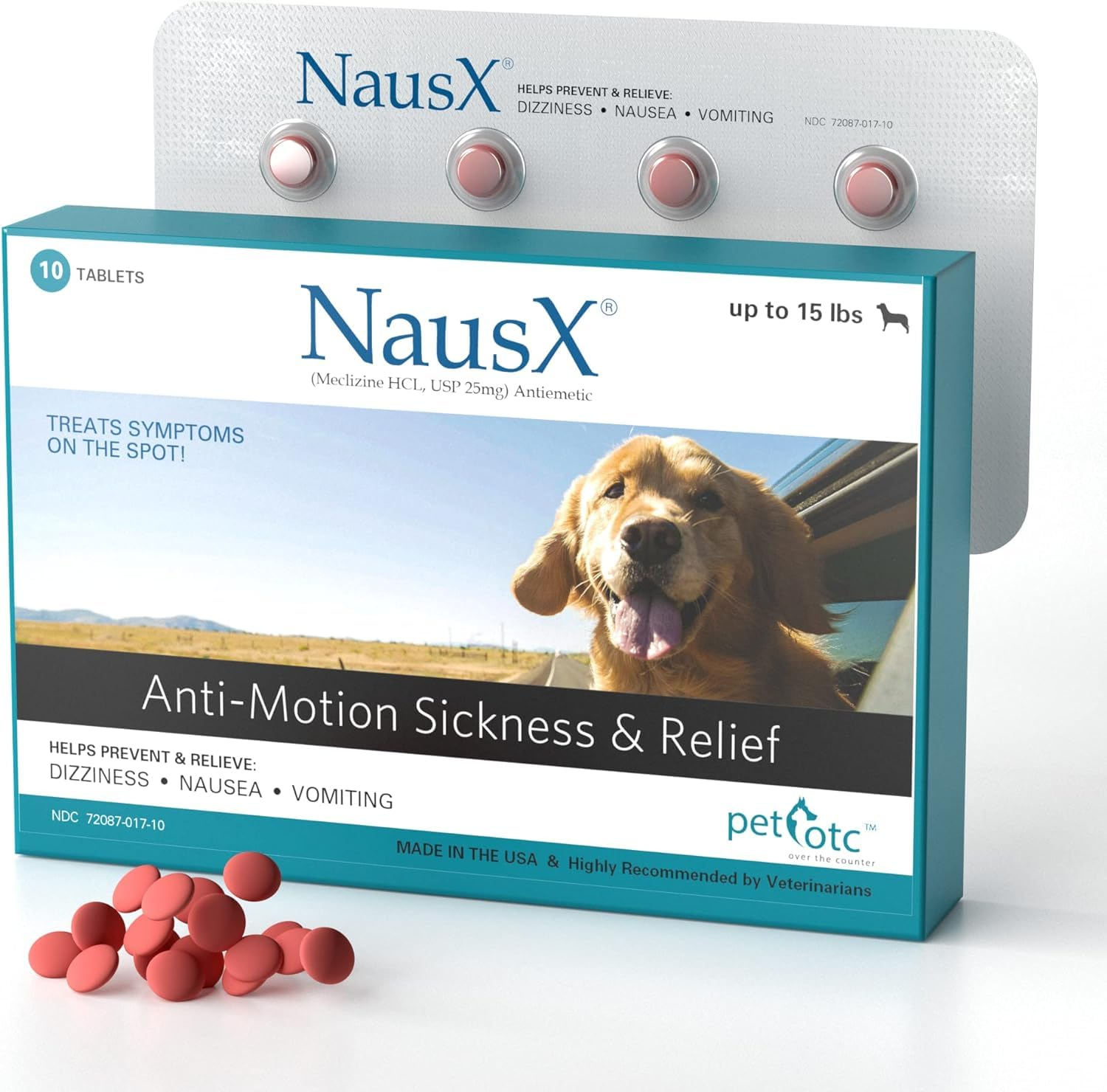
Prep starts at home with short practice drives, a quick chat with your vet about motion sickness and meds, and up-to-date records, tags, and microchip info. Plan routes around shade-rich rest areas and pet-friendly hotels, and keep driving legs short so you can stop for water and stretch breaks every couple of hours. When possible, travel at dawn or in the evening to avoid mid-day heat, and adjust the pace to keep your pet calm.
Miata-Specific Packing Strategy
With a pet in the passenger seat, the footwell is mostly off-limits, leaving you one small trunk. Use soft, fitted bags that mold around the trunk’s shape so every liter counts. The ND’s trunk especially benefits from trunk-shaped soft luggage. If you must add capacity, consider a trunk-lid luggage rack or a convertible-friendly “boot-bag” that straps to the decklid. Miatas are not rated for roof loads, so skip roof-mount ideas entirely and re-check all straps at each fuel stop.
Smart Comfort and Safety Mods
Start with restraint and seat setup. A CPS-certified harness sized correctly and clipped into the seatbelt is mandatory. Pair it with a grippy, waterproof seat cover that has side bolsters so your pet doesn’t slide in corners. For wind and noise, a taller clear wind-deflector behind the seats makes a noticeable difference compared with the small factory mesh screens, helping your pet relax. To manage heat while you are in the car, keep reflective sunshades on hand for quick stops with you present, and consider a small clip-on 12V fan to move air in traffic. On ND models, the accessory socket is in the passenger footwell and has a modest power limit, so choose low-draw fans. Use deck-lid cargo solutions sparingly for soft, light items like a bed, collapsible crate, or food, and keep loads low and secure.
Packing List: Pet + Miata Edition
Bring the CPS-certified harness (or a CPS-listed carrier for truly small pets), plus a short tether designed to integrate with the seatbelt. Add a seat cover with anchors, a familiar blanket or towel, collapsible bowls, pre-measured food in daily bags, enzyme cleaner, and waste bags. Include health records, regular meds, flea/tick doses, and a list of nearby 24/7 vets at your destinations. For heat and wind, carry sunshades, the wind-deflector, a low-draw clip fan, and plenty of water. Round it out with an emergency kit, a spare leash, an LED collar for nighttime stops, and a contact card attached to the harness.
Convertible Etiquette With a Pet
Keep the top up for long highway rides, or slow down to reduce buffeting. Don’t allow “head out the window” behavior, eye injuries and neck strain aren’t worth the risk. Inside the cabin, secure loose items so they can’t become projectiles under hard braking, and keep the driving smooth to help your pet stay relaxed.
What Not to Do
Avoid generic harnesses without real crash data; many fail under load. Don’t rely on cracked windows to keep the cabin cool, temperatures still rise quickly and dangerously. Finally, don’t mount any loads on the roof; stick to properly secured deck-lid solutions designed for convertibles.
Fitment and Size Realities by Generation
NA and NB cars have the smallest cabins and trunks, so plan on a harness-and-seat-cover setup with very careful packing. The NC offers a little more trunk space, and the power retractable hardtop does not steal trunk room, making it the most forgiving if you need to carry extra pet gear. The ND and ND RF have the tightest trunks, so fitted luggage and, if absolutely necessary, a conservative trunk-lid bag are the tools that make a pet trip possible.
Quick Buying Guide
For restraints, look for CPS-certified harnesses such as the Sleepypod Clickit range and size them carefully using the manufacturer’s chart. If you’re set on a carrier for a small pet, cross-check independent test results and measure your passenger space before buying; many high-performing hard-shell carriers are bulkier than you think. For wind management, choose an aftermarket wind-deflector or windrestrictor that’s taller and clearer than the basic mesh piece. For cargo expansion, pick a trunk-lid rack or boot-bag engineered for convertibles and verify weight limits, balance, and strap condition before each drive.
Should You Bring a Pet in a Miata?
It’s doable, and safe, when you’re traveling with a small to medium pet, using a CPS-certified restraint, managing heat and wind thoughtfully, and packing smart. For large dogs, the compromises in space, comfort, and airbag safety are significant, and a larger vehicle is a better choice. If you do take the Miata, confirm the passenger airbag status on your specific model, run the seat fully rearward, keep your stints gentle and short, hydrate often, and never leave the animal in the car, even “just for a minute.”


