
Period-Correct Wheels for ’90s Roadsters (That Aren’t RPF1s)
Love NA/NB Miatas and ’90s compacts but want wheels that feel era-correct? This guide highlights true late-’80s–early-’00s designs—Minilite, Panasport, Watanabe, BBS, SSR, WORK Equip, and TE37—with fit notes and authenticity tips so your Miata looks like it was born with them.


If you love NA/NB Miatas and other ’90s sport compacts but want something era-right that isn’t another RPF1, this guide zeroes in on wheels that actually lived in the late ’80s through early ’00s. The focus is on original eight-spokes like Minilite, Panasport, and RS Watanabe; JDM mesh and multi-piece heroes such as BBS and SSR; the WORK Equip retro line that kept old-school silhouettes alive; and forged six-spoke icons like the TE37. The goal is to help you pick designs that look “born with” an NA or NB, with practical fit notes and authenticity tips so you buy once and buy right.
What “Period-Correct” Means
Period-correct here means designs that either originated earlier and were still widely used in the ’90s or that debuted in the ’90s and defined the decade. Three threads weave the aesthetic. First, the 1960s–1980s roots that rolled right into the ’90s: the Minilite pattern born in magnesium racing, the long-running RS Watanabe eight-spoke, and Panasport’s street-friendly take. Second, the ’90s forged boom, where BBS evolved from modular RS to forged RG and the Le Mans-inspired LM, while RAYS launched the TE37 in 1996 and set the benchmark for lightweight, one-piece forged wheels. Third, WORK’s Equip series kept retro faces and deep lips relevant well into the 2000s and even revived them with modern editions. On the tech side, Japanese wheels typically wear JWL and, often, VIA markings, period and modern signals that a wheel meets specific strength and testing standards.
Eight-Spoke Icons (Not the RPF1)
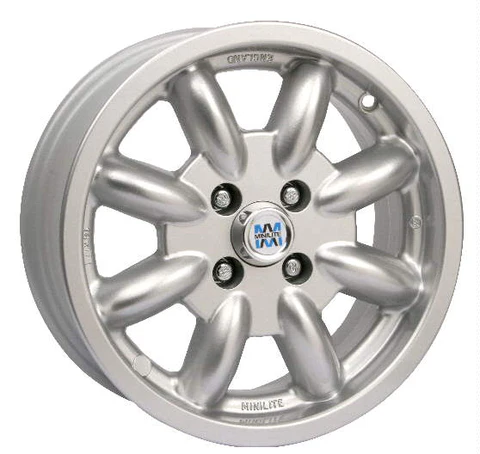
The classic eight-spoke template predates the ’90s but never fell out of step with the era. Minilite’s racing-bred design started in magnesium and transitioned to aluminum street wheels, which gave small sports cars a purposeful, compact look. Panasport became the go-to for club racers and street Miatas, with countless proven NA/NB fitments that nail the timeless vibe without trying too hard. RS Watanabe’s eight-spoke carried its own racing lineage and small-batch mystique; the brand’s deep catalog of small diameters, widths, and offsets lets you tailor stance while keeping that unmistakable JDM silhouette. These three live in the same family but read differently in the metal: Minilite and Panasport lean European-rally tidy, while Watanabe adds a distinctly Japanese edge in the spoke contours and center shape.
WORK Equip Retro Series
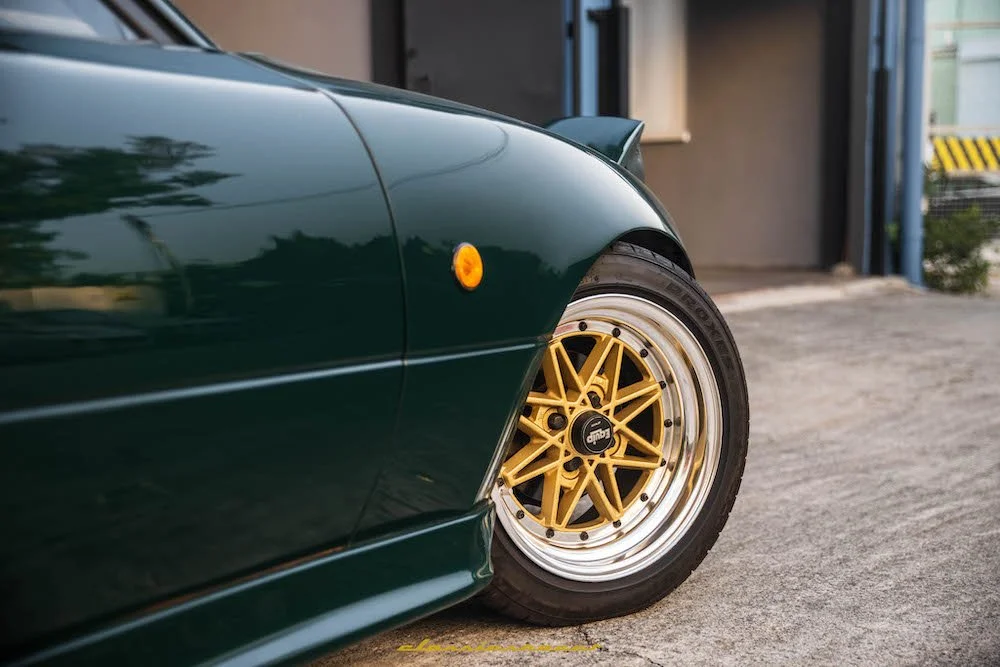
WORK’s Equip series blends old-school shapes with manufacturing that stands up to modern use. Equip 01’s distinctive four-spoke and Equip 03’s five-spoke both came in small diameters with generous lips, which pair beautifully with the NA/NB’s compact fenders. For a “retro but new” build, the Equip 40 modernized the look while tipping its cap to Team Equip heritage. What ties the line together is the instant “Japan, ’90s” read: squat faces, meaty lips, and specs that don’t force you into oversized diameters or stretched tires to look right.
’90s Forged Six-Spokes
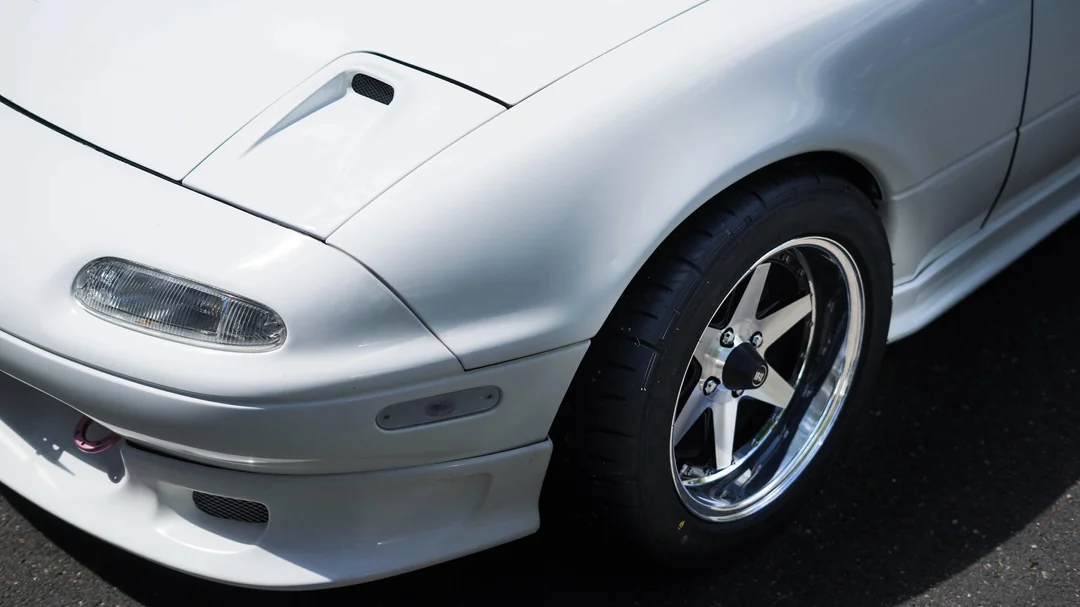
If your heart wants the forged, motorsport feel of the ’90s but you’re avoiding the RPF1, the TE37 family is the obvious lane. Launched in 1996, the TE37 cemented the idea that a clean, six-spoke, one-piece forged wheel could be both a featherweight and a street staple. On a Miata, 15×7 to 15×8 TE37s in era-appropriate finishes deliver the period forged vibe without drifting into modern, oversized proportions. Keep the face simple, avoid contemporary hyper-machined looks, and you’ll land squarely in the ’90s.
Deep-Cut JDM Period Background
For something a little left of center, Hayashi Street (often called CR) reaches back to 1969 as Hayashi’s first commercial aftermarket wheel and still carries that small-diameter charisma forward. Early Advan tri-spokes and rarer Longchamp variants also live in this lane. These options can be trickier to source and spec correctly for a Miata, but when they’re right, they broadcast “vintage JDM” from across the parking lot.
Buying Guide: Authentic vs. Replica, Old vs. New
Buying new from the original manufacturer is the lowest-risk path to period styling, because you get current metallurgy, proper testing, and the right markings. If you’re drawn to used or vintage, budget time for inspection: check lips and faces for bends or cracks, make sure multi-piece sealant isn’t failing, and confirm hardware isn’t corroded or mismatched. Magnesium wheels are a special case; they’re wonderfully light but can corrode and require expert refinishing, so most street cars are happier on aluminum. Replicas exist for nearly every look in this article; if you go that route, prioritize certification and load ratings over face-only similarity. Wheels are a safety part, treat them like one.
Period-Correct Sizing and Stance on NA/NB
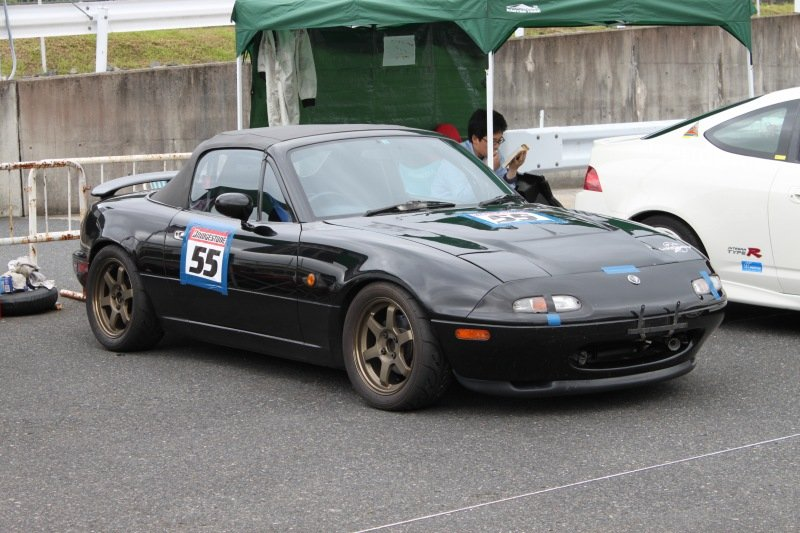
For a faithful ’90s feel with great drivability, start with 15×7–8 and a sensible offset, then pick a tire with sidewall. A 195/50R15 gives crisp response without making the car ride like a skateboard; a 205/50R15 adds grip and still keeps gearing and fender clearance friendly. Fourteen-inch setups are joyfully supple and super period in appearance, especially on Panasport or Watanabe patterns, and they keep the Miata’s playful steering alive. Track-leaning builds should look at forged wheels or high-quality multi-piece options with known load ratings and stay reasonable on offset to protect scrub radius and steering feel.
RS Watanabe Eight-Spoke
Born from late-’60s racing and still built in Japan, Watanabe’s eight-spoke is the archetypal JDM classic. Choose it when you want authentic lineage, compact diameters, and a face that looks tailor-made for NA/NB arches.
Panasport
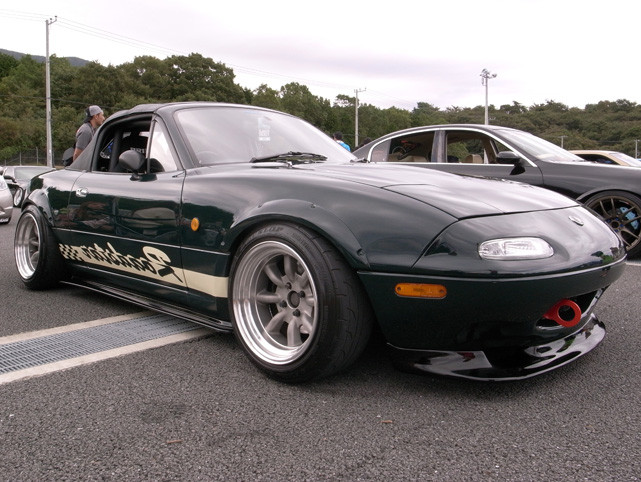
A club-racing favorite that became a Miata staple, Panasport nails the traditional eight-spoke look with readily available NA/NB sizing. It’s the safe, timeless way to get that “period” read without courting rarity tax.
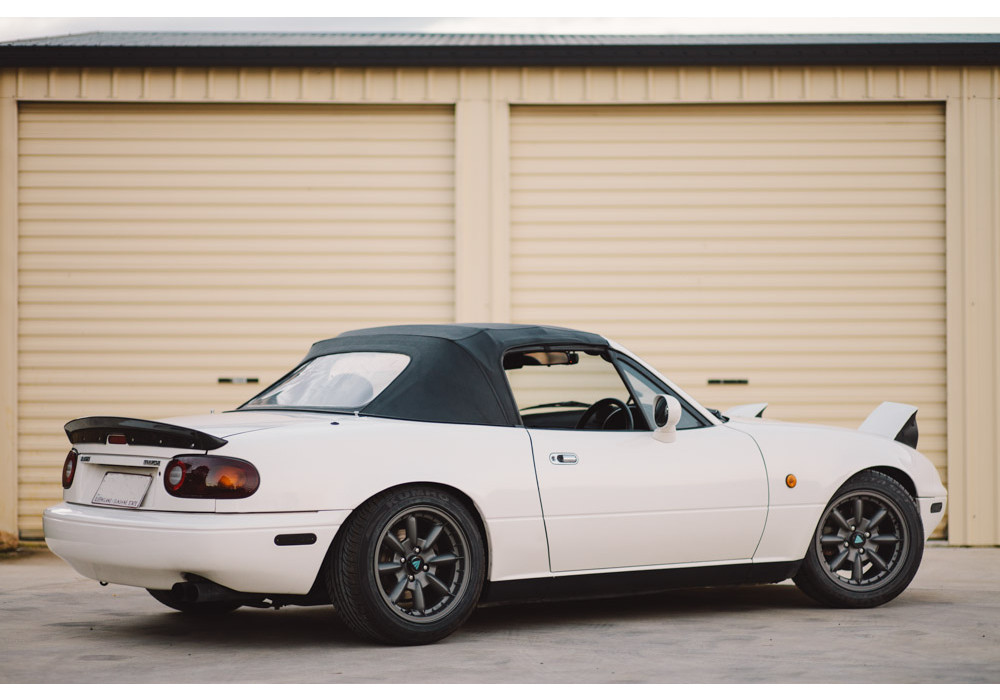
BBS RS / RG / LM
RS created the cross-spoke legend, RG brought forged one-piece strength into the ’90s, and LM gave street cars the endurance-racing silhouette. If “mesh with lip” is your North Star, this family defines it.
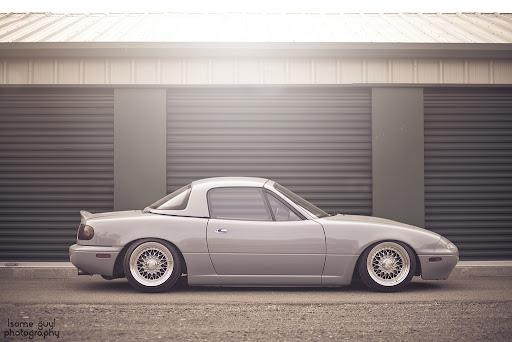
SSR Formula Mesh / Longchamp XR-4
SSR’s mesh and Longchamp lines bridge the kyusha era and the ’90s compact boom. Small diameters, real stepped lips, and recognizable faces make them perfect for Miatas when spec’d conservatively.
Authenticity Checklist
Before you hand over cash, look for proper model castings, center cap styles that match the wheel, and JWL/VIA markings on Japanese designs. Understand what you’re buying, cast one-piece, forged one-piece, or two/three-piece, and torque multi-piece hardware correctly after any refinish. Inspect lips and faces for damage, check that multi-piece sealant isn’t weeping, and treat magnesium rims with extra caution and professional refinishers.
Price and Availability
New, classic-style options like WORK Equip and RS Watanabe are orderable but may involve lead times, custom drilling, and finish choices, which is part of the fun. Vintage darlings such as BBS RS and SSR Longchamp vary wildly in price based on condition, diameter, width, and offset. The rarer and cleaner the spec, the steeper the ask. If you’re patient, learn the tells, and buy with a spec sheet in hand, you’ll end up with wheels that look like they were born on your ’90s roadster, just not the same ones everyone else is running.


