
More Rare & Quirky Miata Parts: 5 Boutique Upgrades You’ll Actually Find and Install
Still want weird-but-buyable Miata parts? This guide spotlights five boutique upgrades that aren’t vaporware, explain what they do, why they’re special, how they fit on NA/NB/NC/ND, the real install experience, and how to avoid replicas and disappointment when you hunt rare pieces.


Hunting for truly weird-but-awesome Miata parts is fun… until you realize half the stuff on social media is discontinued, vaporware, or backordered forever. This sequel sticks to five boutique upgrades that are still realistically buyable and installable. They’re the kind of Miata rare parts that make other owners stop mid-sentence and go, “Wait, what is that?” We’ll talk through what each part does, why it’s special, how it fits on NA/NB/NC/ND, what the install actually feels like, and what to watch out for when buying so you avoid replica traps and disappointment.
Flyin’ Miata Randall Cowl-Induction Intake V2 (NA/NB)
The Randall Cowl-Induction Intake is a clever way to get real cold air into your NA or NB without slapping a pod filter in the hot engine bay. Instead of pulling air from the front of the car, a molded duct feeds your stock airbox from the base of the windshield, which is a natural high-pressure zone as speed goes up. The V2 kit replaces the old hard tubing with a flexible silicone runner that’s easier to route and tuck around the brake booster and wiper mechanism. You keep your OEM airbox, so visually the engine bay still looks mostly stock, but you’re feeding it cooler, denser air and taking advantage of the pressure that builds at the cowl.
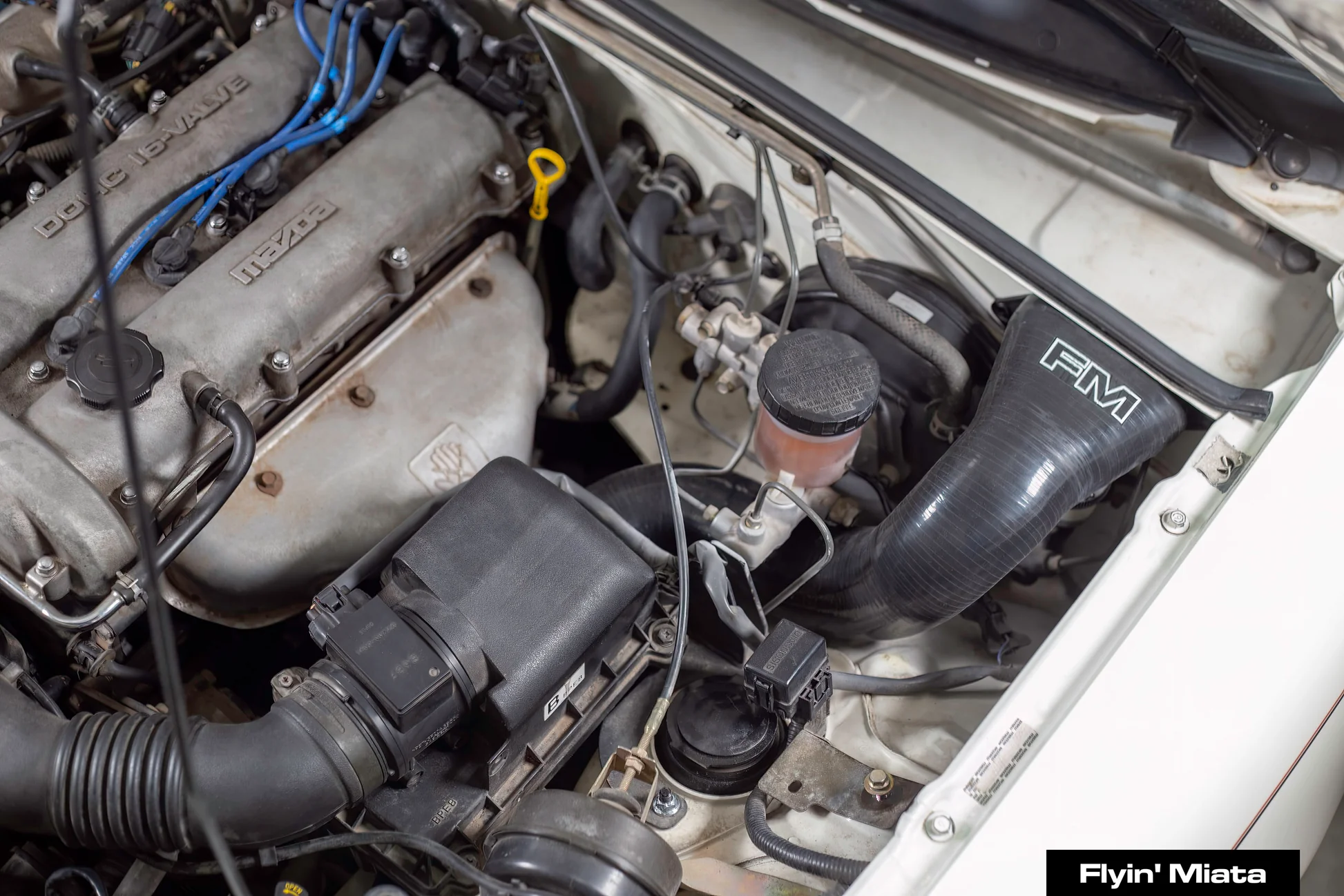
What makes it a quirky Miata part is how subtle it is. Most intakes are “loud and proud” with shiny pipes and big filters; the Randall setup is the opposite: nerdy, hidden, and a little bit “engineer brain.” It suits lightly to moderately modified NA and NB cars that still run the stock airbox, and there are separate versions for each generation. The tradeoff is that install isn’t a five-minute driveway job. You’ll be marking and cutting a small hole at the upper firewall, then sealing the plate carefully to keep water and noise under control. The silicone tube needs to be dry-fitted so it doesn’t kink or rub on things it shouldn’t. For a first-timer, plan a couple of hours with basic tools and patience. In return you get genuinely cooler intake temps on hot days, a slight bump in responsiveness, and a good story to tell anyone who notices that strange duct disappearing into the cowl.
Craft Square TCA-FZ Racing Mirrors (ND)
Craft Square TCA-FZ mirrors are real motorsport mirrors that just happen to bolt onto an ND Miata. They come with ND-specific door bases that use the factory mounting points, so they sit exactly where the stock mirrors were but shrink the housings into compact, F1-style shells. They’re built as proper racing hardware: lightweight composite, rigid construction, and a profile that screams “works car” more than “show car.” This is the opposite of universal eBay mirrors; they’re a true boutique part that Miata nerds recognize instantly.
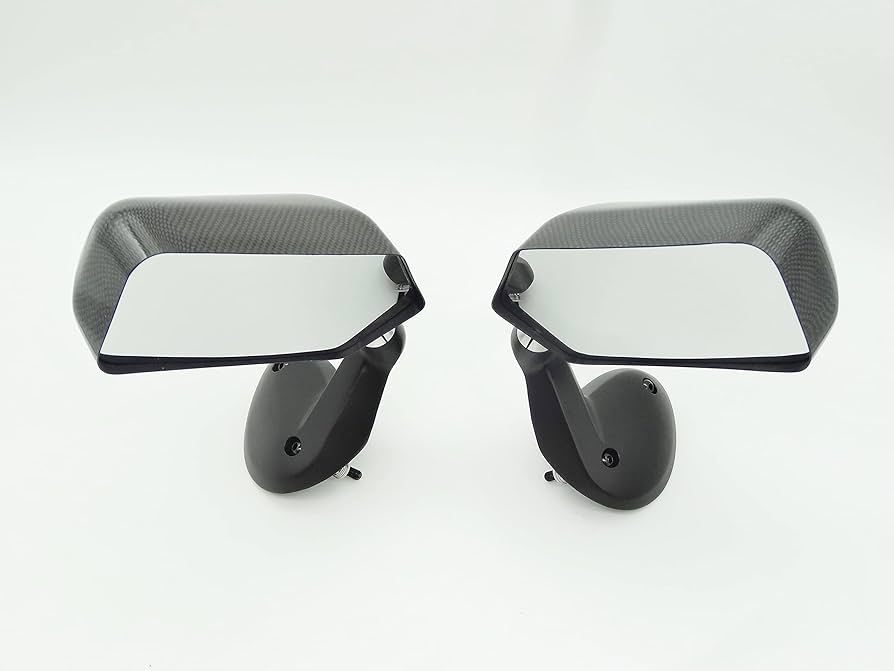
On the car, they completely change the side profile of the ND and give it a much more purposeful stance. Because the housings are smaller, you’ll notice a bit more wind noise and less mirror area than stock, but that’s part of the tradeoff for something this focused. Fitment is straightforward for ND and ND RF models, with some versions catering to cars that came with Blind Spot Monitoring. Installation is basically a mirror swap: pop or loosen the interior trim, unplug the OEM mirror, unbolt it, then bolt and plug in the Craft Square assembly. Most people get the first side done in under an hour once they figure out the door panel clips. After that, it’s mostly about fine-tuning the field of view and periodically re-checking the hardware after a few heat cycles. If you want Miata quirky parts that give instant “race car energy,” these mirrors do a lot of heavy lifting.
NOPRO GT-Spec Fastback Hardtop (NC)
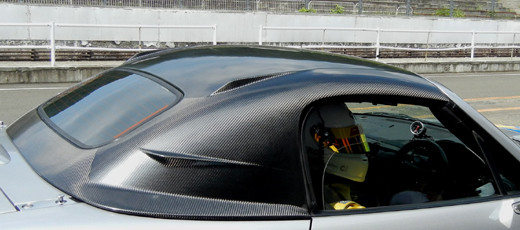
The NOPRO GT-Spec fastback hardtop is a removable FRP top for the NC that turns Mazda’s rounded roadster into a long-roof fastback. Instead of the short, stubby roofline of the factory hardtop, this piece extends and reshapes the roof, adds small integrated roof canards, and gives the car a profile that looks like it rolled straight out of a tuner show booth. It usually ships in black gelcoat ready for paint, without glass or seals, and should be treated like any other aftermarket body panel.
What makes it special is how rarely you ever see an NC with a true fastback curve. This is one of the only buyable, in-production routes to that look without going all-in on a full body conversion. Because it’s from NOPRO, a small Japanese race and aero shop, it has that extra layer of boutique credibility that Miata rare parts hunters chase. Fitment is for NC models only, and production is typically done in batches, so it’s normal to see long lead times and “special order only” notes. Installing it is more like doing light bodywork than bolting on a normal hardtop: you’ll dry-fit it, check gaps, make sure it plays nicely with the windshield frame and rear deck, then send it for proper prep, primer, and paint. Gelcoat alone won’t survive UV and weather long-term, so budget for paint and the labor that goes with it. Once it’s done, you’ll have one of the most visually dramatic NC setups around, even if the rest of the car is fairly mild.
Garage Vary Meter Hood with 52 mm Gauge Pod (NA/NB)
Garage Vary’s meter hood is a simple idea done really well. It replaces the stock dash brow above the instrument cluster with an FRP (or sometimes carbon) piece that has a single 52 mm gauge pod molded into it. Instead of cluttering your A-pillar or stuffing gauges into vents, you get one “hero” gauge—usually oil pressure, oil temperature, or a wideband—right in your line of sight. It looks almost OEM-plus, especially in FRP with a textured finish that blends into the rest of the dash.
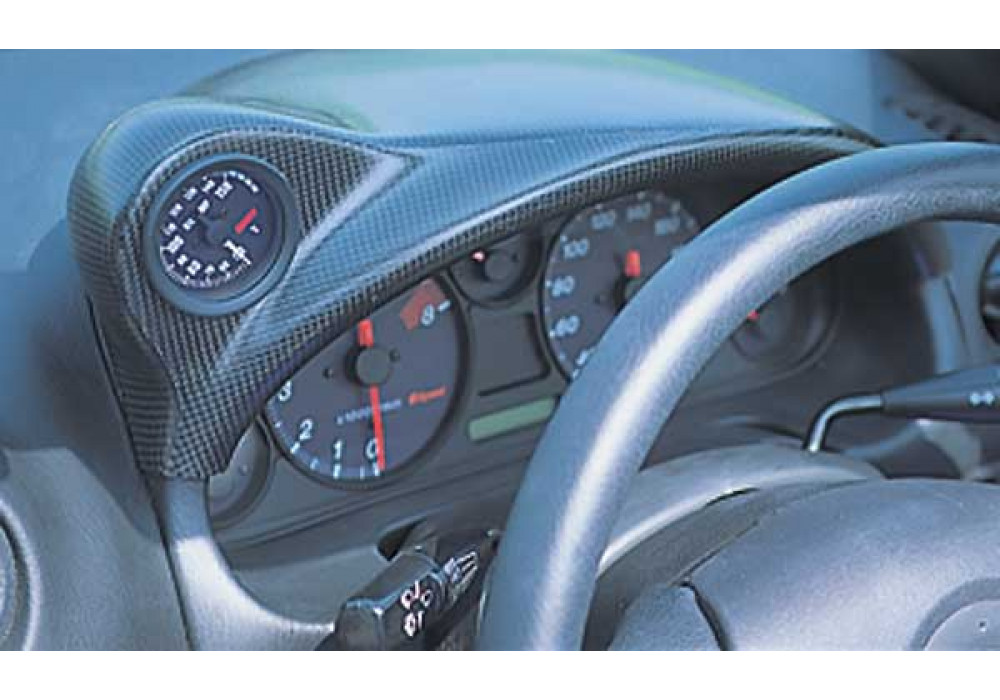
This is one of those Miata quirky parts that only other enthusiasts notice. The genuine Garage Vary version has better fit and texture than the generic copies floating around, which means fewer squeaks and rattles and a cleaner look. Fitment is split between NA and NB versions, with the pod sized for standard 52 mm gauges; you bring your own gauge and wiring. Install is basically the same as swapping the stock hood: remove the original piece carefully, test-fit the new one, and optionally add thin felt to contact points if you’re sensitive to buzzes. The only “extra” work is planning how you’ll route the wiring or pressure line so it doesn’t rub on the cluster, steering column, or any sharp plastic edges. Once it’s in, you get genuinely usable data in your peripheral vision with minimum visual clutter, which is perfect for a car that still sees regular street use.
Craftech Speedster Tonneau (ND)
The Craftech speedster tonneau is an FRP cap for the ND that turns the cabin into a two-seat speedster pod. It covers the rear half of the interior and adds sculpted humps behind each seat, giving the car a vibe that feels halfway between a vintage roadster and Mazda’s ND Speedster show car. It normally arrives in gelcoat, meant to be painted to match or contrast your body color, and it’s very much a fair-weather, special-occasion piece rather than a daily accessory.

This is one of those Miata rare parts that’s all about theater. With the tonneau on and the weather cooperating, the car suddenly feels like a limited-run coachbuilt special. The rear deck looks cleaner and more dramatic, the cabin feels tighter and more focused, and the whole thing just screams “weekend toy.” Fitment is for ND and sometimes ND RF, with most designs using existing bolt and clip locations so you don’t have to drill into the body. Like the NOPRO roof, you treat it as bodywork: dry-fit first, make sure it clears the soft top mechanism and trims correctly, then send it to a paint shop for proper prep and paint. You’ll also want to plan padded storage, because it’s a big, lightweight piece that’s easy to ding if you just lean it against a wall. It’s not practical, but that’s exactly why it’s such a fun Miata quirky part to own.
Tell us which generation you drive (NA, NB, NC, or ND) and roughly what kind of budget you’re working with, and I can help you prioritize these Miata rare parts, pick realistic sources, and map out an install order that won’t leave you stuck mid-project or waiting forever on backorders.


