
Miata Theft Prevention & Recovery: Discreet Immobilizers and Tracking
Extra security is most useful if you street-park, travel for track events, or leave the Miata at hotels or storage facilities. If you garage an ND with a healthy factory immobilizer in a low-risk area, upgrades add peace of mind more than essential protection.


It’s especially helpful if you street-park, travel for track days, or leave the car at hotels or storage facilities. If you already garage an ND with working factory immobilizer and telematics in a very low-risk area, most of your gains here will be peace of mind rather than essential protection.
How Miatas Are Typically Stolen (NA → ND)
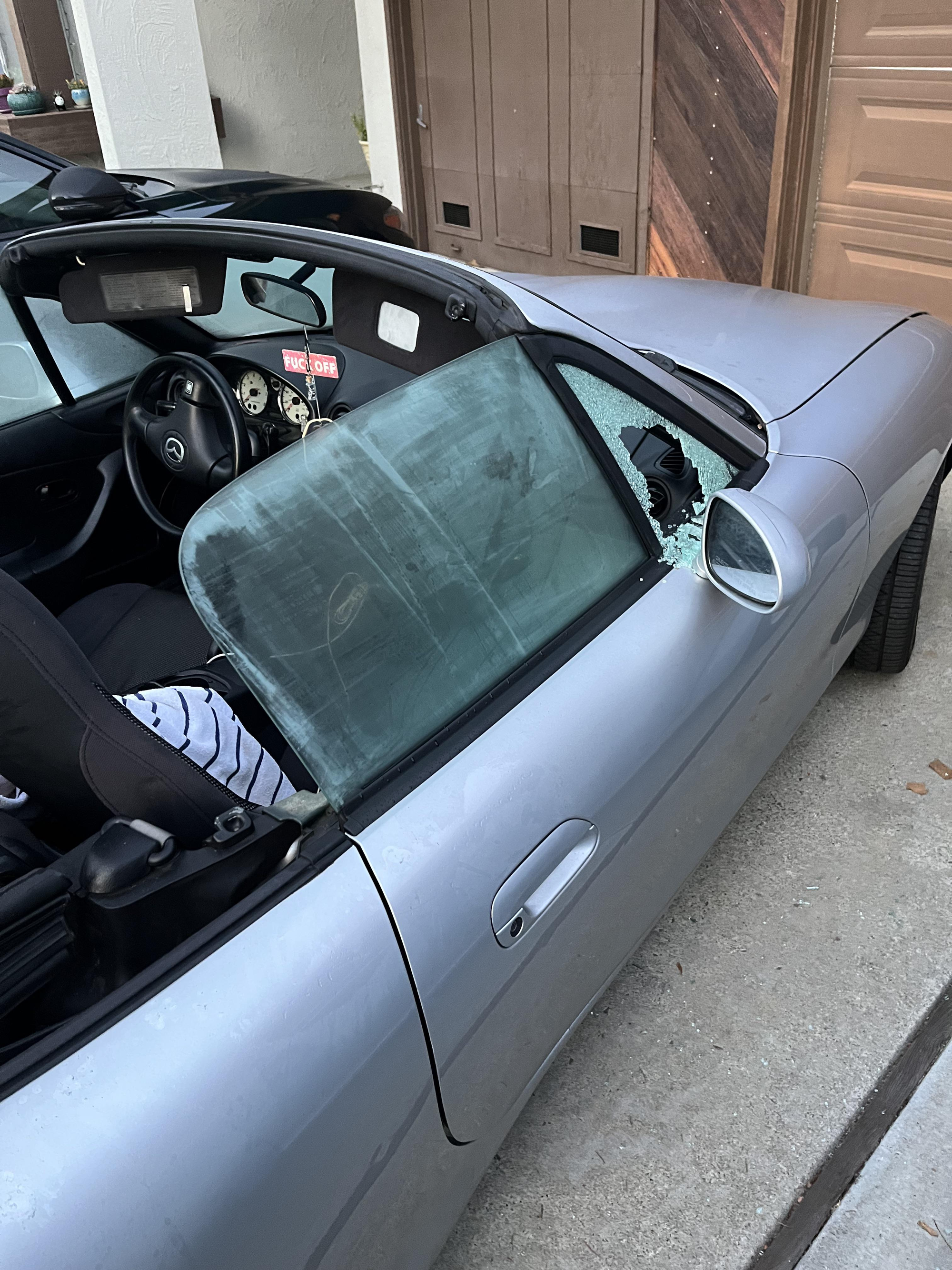
Thieves attack different generations in different ways. NA cars rarely had factory immobilizers, so quick “smash-and-twist” or tow-and-go theft is common. NB models introduced transponder immobilizers in many markets, which raised the bar but did not stop flatbeds or more determined thieves. NC made immobilizers effectively standard and pushed theft toward towing or electronic bypass attempts. ND added passive keyless entry/start on many trims, which created exposure to relay attacks that awaken and extend the fob’s signal. In all generations, a flatbed still defeats most defenses unless you slow the thief down and make the car obvious to bystanders.
The Layered Defense Model
Think in four layers: (1) smart habits, (2) visible deterrents, (3) discreet immobilizers, and (4) tracking for recovery. Habits and visibility reduce opportunistic thefts; immobilizers stall more skilled thieves; trackers turn a loss into a recovery. No single device is a silver bullet. The goal is to make your car look time-consuming and risky, then give yourself a way to help police find it if the worst happens.
Discreet Immobilizers: Principles That Work
“Discreet” means nothing to advertise or trace: no fresh electrical tape near the column, no aftermarket LEDs, and no labeled switches. Instead, hide your control method in plain sight and integrate it with factory-looking parts. Avoid relying only on a starter cut; seasoned thieves look for it first. Fuel-pump or ECU-main-relay inhibits are stronger because the car cranks but won’t run, burning the thief’s time. Clutch/neutral-interlock logic gates are clever because they look like normal behavior. RFID or PIN add-on modules create a required “unlock” action before factory circuits energize, keeping the cockpit stock-looking.
Keyless Relay Attack Mitigation
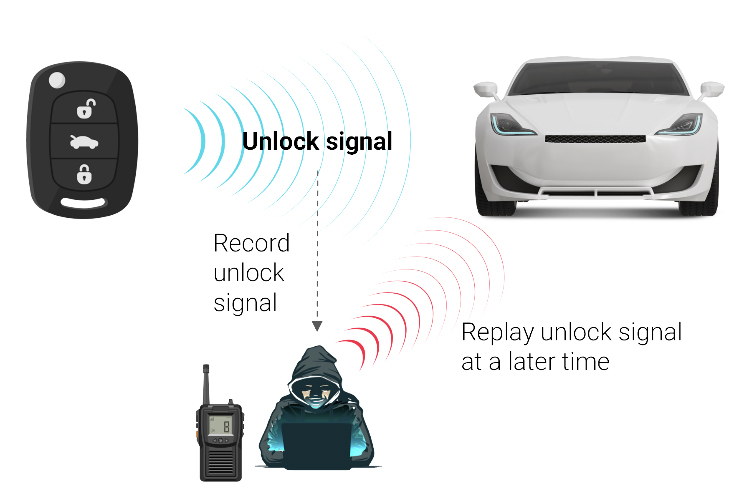
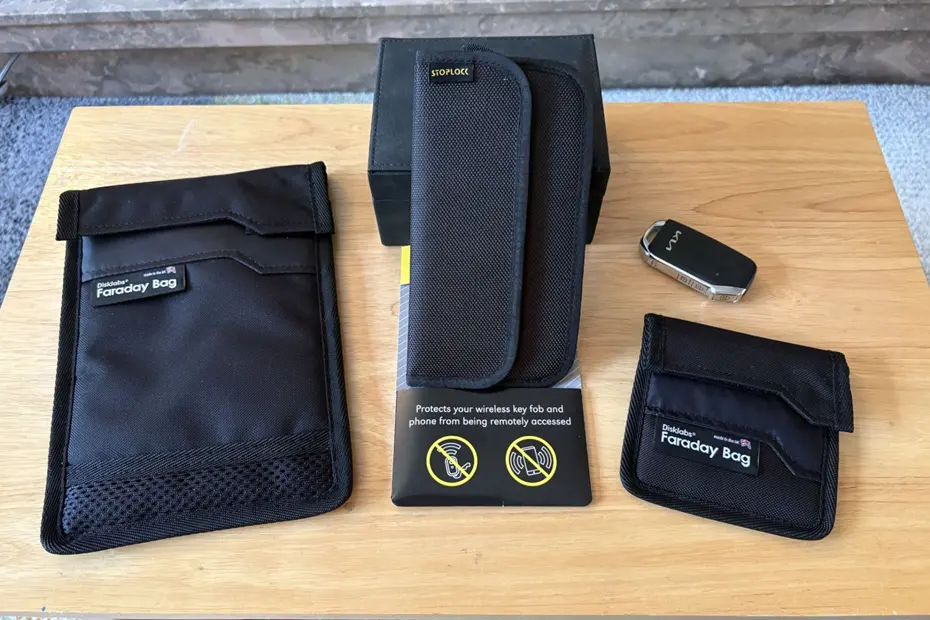
Relay attacks extend your fob’s signal to the car. Simple countermeasures help: store keys (including spares) in a Faraday pouch or a small metal container at home, and consider disabling passive keyless if your model or dealer settings allow it. Learn your car’s “fob to start-button” contact method so you can still start the car if you deliberately remove the fob battery at home. When traveling, keep the fob away from hotel hallways and doors and avoid leaving it near windows.
Tracking for Recovery: Bluetooth Tags vs. LTE/GNSS Units
Bluetooth tags ride on the strength of large phone networks. They’re tiny, cheap, and have excellent battery life, but anti-stalking alerts can sometimes tip off a thief. Dedicated LTE/GNSS trackers offer live location, geofences, and tamper alerts regardless of nearby phones, at the cost of a subscription and careful power management. Redundancy helps: hide at least two trackers in separate locations. Consider a decoy tracker in an easy-to-find area to consume the thief’s first sweep while your deeper, hard-wired unit keeps reporting.
Physical and Low-Tech Layers That Still Matter
A visible steering-wheel or pedal lock is a simple time-burner that dissuades opportunists. For long-term storage, wheel clamps and lockable covers add friction and attention. On later cars with OBD-II programming exposure, an OBD-port lock or relocation raises the difficulty of key programming attacks. None of these are perfect, but each adds minutes, noise, or hassle, and minutes are everything during a theft.
Parking, Storage, and Travel Tactics
Choose lit, camera-visible spots and tight spaces that complicate flatbeds. At home, combine motion lighting, visible cameras, and a blocker vehicle in front of the Miata. On trips and at track paddocks, arrive with trackers already active, keep keys out of passive-range near doors and windows, and use a simple cover. For storage, pair a battery maintainer with a plan for tracker power, arm a visible deterrent, and keep an immobilizer layer armed.
If the car goes missing, call police immediately with VIN, plate, and any tracker pings. Do not pursue or confront; hand off live location updates to dispatch. Alert neighbors or hotel security as soon as possible to preserve camera footage. Inform your insurer early. After recovery, re-key if applicable, inspect immobilizer wiring for tampering, and add a second layer if one was defeated.
Legal and Safety Notes
Tracking can raise privacy questions depending on your jurisdiction, but owner-installed recovery devices on your own vehicle are generally permissible. The critical safety rule is not to attempt a DIY recovery. Share live updates with authorities and let them handle the physical retrieval.
Parts and Tools Checklist
Plan on a hidden switch and relay kit or a PIN/RFID module for your immobilizer, a Faraday pouch for keyless models, and at least one Bluetooth tag and one wired LTE/GNSS tracker for redundancy. Add a steering-wheel or pedal lock and, for later generations, consider OBD-port security. Use proper fusing, quality loom, and factory-looking mounting so the install disappears into the car.
Daily Use Patterns
At home, keep keys in a Faraday pouch, arm your immobilizer, and park under light or camera coverage. On travel days, carry both trackers and consider a temporary second tag. For ND, decide whether to disable passive entry and practice the backup start method so you are not stranded after removing a fob battery.
Do not share wire colors, connector cavities, or ECU defeat steps publicly, that helps thieves more than owners. Do not rely on one obvious defense. And do not chase thieves; your job is to make the car hard to steal and easy to find, then let professionals handle the rest.


