
Miata Motorsport Tire Guide
A Miata-focused guide to 200-TW street tires vs. R-comps for autocross and HPDE. Learn how compounds behave, what temps they like, ideal Miata sizing, pressures, camber, and rotation plans, plus wet-weather backups and basic SCCA classing so you pick the right tire for pace and budget.


This guide is for NA–ND Miata owners who care about lap times, consistency, and not torching their tire budget. We focus on autocross (SCCA Solo) and HPDE/track days, comparing 200-treadwear “extreme performance summer” tires against DOT R-compounds and slick-like DOT race tires. You’ll get a feel for how different compounds behave, what temperatures they like, how to size them correctly for Miatas, and how to set pressures, camber, and rotations. We’ll also talk wet-weather backups and basic classing context: most SCCA Street categories require 200-TW “street” tires; dropping below 200-TW bumps you into classes intended for R-comps or slicks.
Max-Performance Summer (≈300+ TW)
Daily driver tires. Excellent rain performance, quiet, comfortable, and long life. Great all-rounders, but they won’t keep up with 200-TW rubber in autocross or on a hot lap.
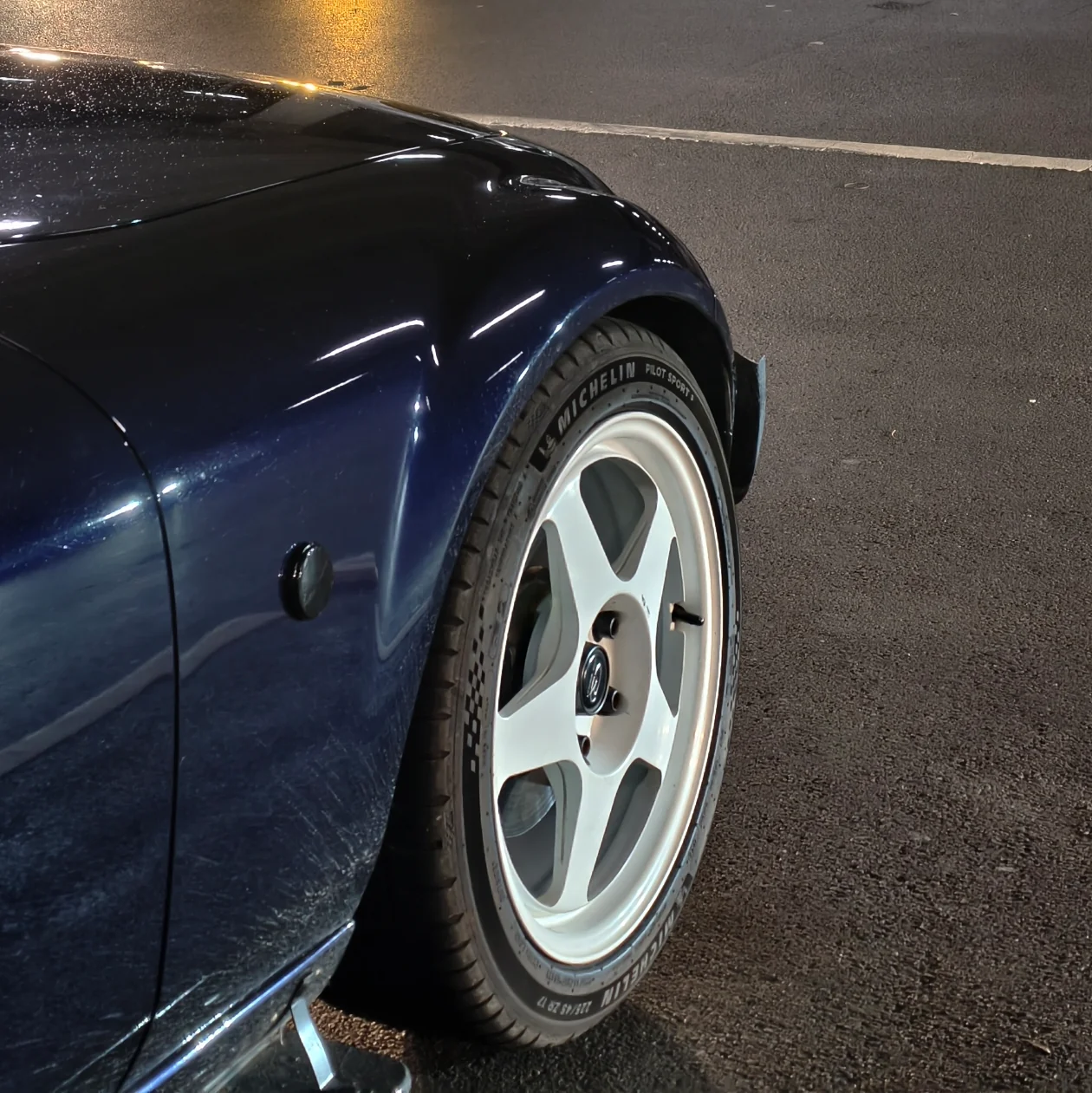
Extreme-Performance Summer (≈200 TW) , “Street” Competition
These are the fast street-legal tires built for short, hard sessions. They warm up quickly and can approach R-comp grip for a lap or two. Standouts include options with super-stiff sidewalls for low-camber classes, mega-grip models that love wide wheels and added camber, and value-durability choices that tolerate heat better across a full track day.
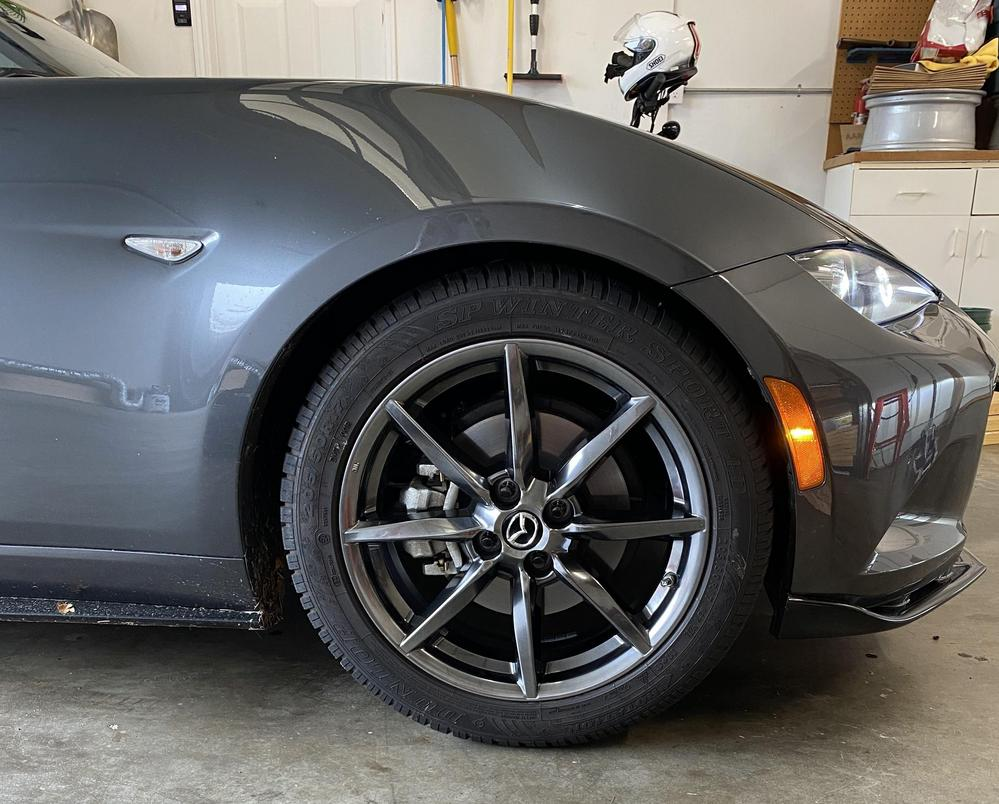
DOT R-Compounds (≤100–140 TW or N/A) , “Track-First”
R-comps are built for pace and stability over multiple laps. They typically run faster than 200-TW tires in the dry when you hit their temperature window. Warm-up can be quicker than slicks, but standing-water grip is limited and tread life is shorter.
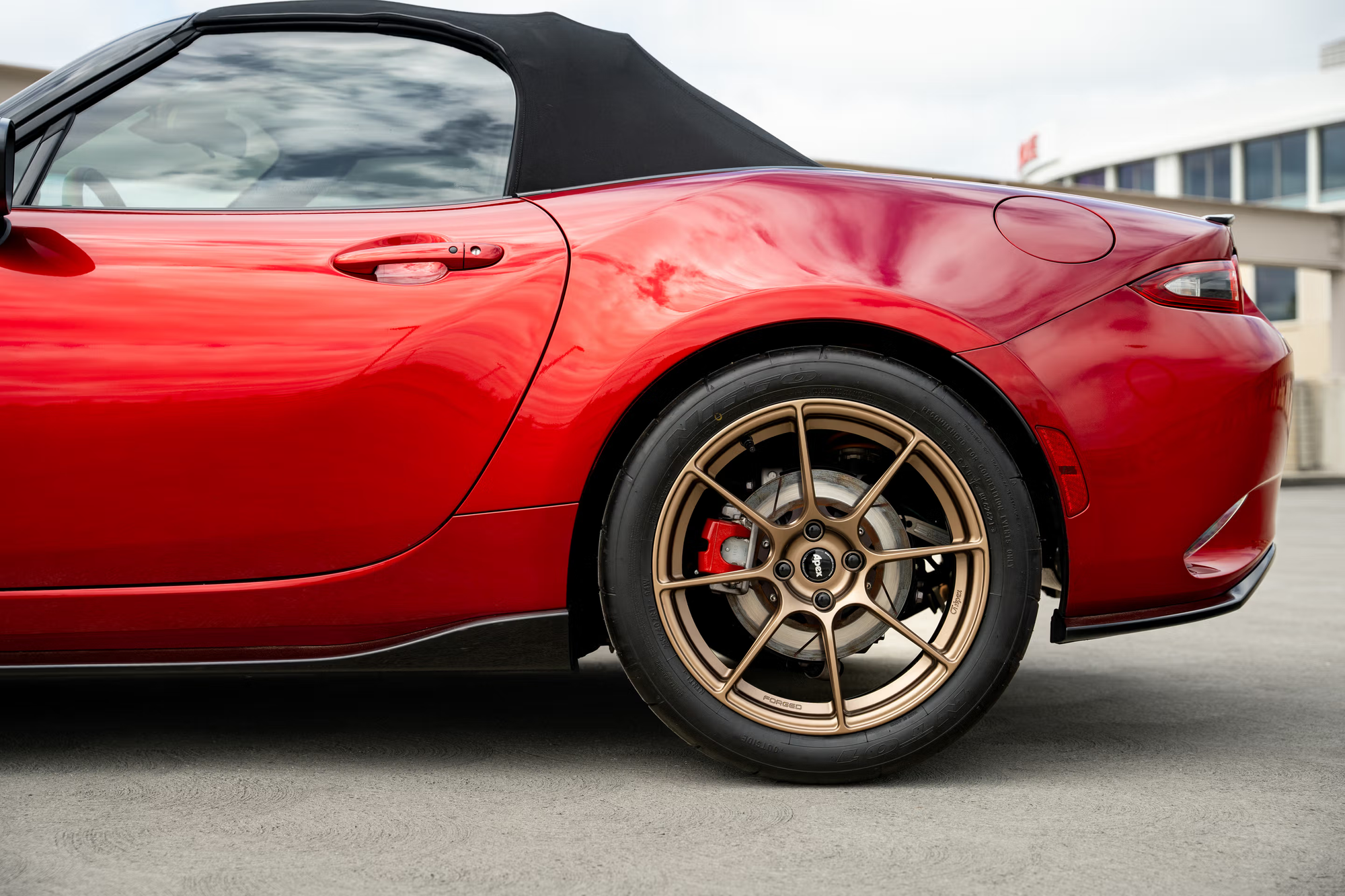
DOT “Slick-Like” Competition (e.g., Hoosier A7/R7)
These are purpose-built competition tires. A7s are autocross and sprint specialists with a low temperature window and insane peak grip; R7s prefer higher temperatures and longer road-course stints. They’re brutally fast but sensitive to heat cycles and require disciplined temperature and pressure management.
How Compounds Behave (What You’ll Feel)
Quick-warming 200-TW tires “turn on” fast and feel awesome in autocross or short stints, but can get greasy in long, hot lapping if you don’t manage pressures and camber. Stiff-carcass street tires shine when rules limit camber because they resist shoulder rollover and keep the contact patch square. Endurance-leaning 200-TW options give up a tick of peak grip but have a broader heat window and wear more evenly. R-comps feel planted and repeatable over many laps in the dry, while slick-like DOT tires deliver the highest peak, A7 for sprints, R7 for longer stints, provided you hit their temperature windows. As tires age through heat cycles, 200-TW sets usually hold pace across several weekends; R-comps and slick-likes fall off more noticeably, so plan your “freshest” sets for big events.
Autocross (SCCA Street / ST)
For Street class, where camber and wheel width are limited, stiff-sidewall 200-TW tires are money because they resist rollover and stay sharp. For Street Touring (more camber and width allowed), the mega-grip 200-TW options tend to edge ahead. In hot weather or on longer courses, look for models with better heat tolerance. If you’re budget-minded, pick the durable 200-TW sets that still deliver strong pace.
HPDE / Track Days
If you want a set-and-forget weekend, pick the durability-leaning 200-TW options that handle heat well and wear evenly. If you’re chasing personal bests on street-legal tires, pick the fast 200-TW models and watch your temperatures and hot pressures closely. Ready to level up? Step into R-comps for faster dry laps and solid consistency. For sprint time-attack runs, use the autocross-oriented slick-likes; for longer races, go with the higher-temperature versions.
Miata-Specific Fitment & Sizing (NA–ND)
NA/NB (15s are king): The easy button is 15×8 with 205/50R15, which typically clears without fender drama. Stepping to 225/45R15 often needs a fender roll or more negative camber depending on ride height and offset. Spec Miata reference sizes remain a good baseline for feel and gearing.
NC (16–17): A common performance setup is 17×8 with 215/45R17 or 225/45R17; verify clearance with alignment and ride height.
ND (16–17): Stock wheels are 16×6.5 or 17×7. Popular upgrades include 205/50R16 on 16×7, or 215/45R17 to 225/45R17 on 17×8 with proper camber. For Street-class autocross, a 7–7.5-inch wheel plus a stiff-sidewall 200-TW can offset limited camber; in ST or time trial, go wider wheels and the stickiest 200-TW options to take advantage of footprint and heat capacity.
Pressures, Camber, and Rotation
Start with mid-30s psi hot on 200-TW and tune from there. Use chalk on the shoulders to see rollover and a probe pyrometer to read inside/middle/outside temps. R-compounds commonly like hot pressures in the low-to-upper 30s with around one to three degrees of negative camber depending on the model and track. Slick-like DOT tires have specific target temperatures (lower for autocross-type compounds, higher for road-course compounds), so measure immediately after you pit. Run a square setup so you can cross-rotate between events. Symmetric tread patterns can often be flipped on the rim to even out shoulder wear. If the car feels greasy, shorten stints, drop a bit of hot pressure, or add cooldown laps. If you’re rolling the outer shoulder, add negative camber, bump pressure, or move to a stiffer-sidewall model.
Wet/Rain
Among 200-TW options, the quick-warming and high-response models tend to be the safest bet when it’s damp or lightly raining, but none of these are true rain tires. In standing water, slow down. R-comps typically have limited evacuation and hydroplane earlier; either bring a dedicated rain set or dial back your pace significantly.
Heat Cycles, Storage, and Tire Life Planning
If you’re chasing trophies, plan your calendar around fresh rubber and “front-load” key events before the set falls off. Track-day drivers can often run a single 200-TW set for a season or more if they manage temperatures and rotate aggressively. For storage, keep performance tires above typical garage-cold conditions, out of direct sun, and away from ozone sources; many high-performance compounds can crack if they freeze.
Model-by-Model (What to Expect)
Stiff-sidewall 200-TW: Best steering precision and great when camber is limited; very competitive in autocross.
Mega-grip 200-TW: Loves wide wheels and real camber; can get greasy on long, hot sessions.
Peak-focused 200-TW: Warms fast and rips a hot lap; monitor temperatures on longer stints.
Club-race 200-TW: Reinforced sidewalls and stable footprint; strong all-round pace.
Value/durable 200-TW: Excellent consistency and wear; a hair off absolute peak.
Endurance-leaning 200-TW: Slower single flyer, but resists heat-soak and wears evenly across a full day.
R-comps: Sticky and stable at speed; expect shorter tread life and be cautious in rain.
Slick-like DOT: A7-style for sprints at lower temps; R7-style for sustained road-course temps and stints.
What to Buy First
Autocross trophy hunt (Street/ST): Pick a top-tier 200-TW tire that matches your camber and wheel width; stiffer carcasses help in Street, mega-grip models shine with width and camber in ST.
HPDE seat time: Choose durable, heat-tolerant 200-TW tires; once consistent, try the faster 200-TW compounds for PBs.
Sprint TT / dedicated track car: Use an R-comp for fast, simple dry laps or a slick-like DOT for maximum peak if your rules and budget allow, just manage temperatures religiously.
Set a baseline alignment and hot pressure target, chalk the shoulders, and gather data. Do short stints to reach the tire’s temperature window, then extend as you stabilize pressures. Record inside/middle/outside temps with a probe pyrometer and log lap times. If the outer shoulder overheats first, add camber, bump pressure slightly, or switch to a stiffer-casing tire. Track the lap-time fall-off per event to spot heat-cycle aging. Use square setups and rotate often; flip symmetric patterns on the rim when shoulder wear diverges.


