
Miata Lightweight Philosophy
Mazda’s B/BP and MZR/L-series engines give NA–NC Miatas broad parts interchange. Long/short blocks and many ancillaries cross over from Mazda and Ford donors, as long as you keep Miata-specific pans, mounts, triggers, and intake/exhaust. This guide maps the swaps, fit notes, and smart donor picks.


Mazda built the MX-5 around jinba-ittai, car and driver moving as one, and backed it up with an obsessive “gram strategy.” The rule is simple: make the car more fun by making it lighter, trimming weight wherever it won’t hurt durability, safety, or daily usability. The ND generation proved this wasn’t nostalgia, it reversed modern weight creep while adding capability.
Hirai’s Brief
In the late ’80s, program chief Toshihiko Hirai laid down the blueprint: minimal mass, balanced weight distribution, a quick manual soft top, and crisp, communicative controls. That mandate, keep it small, simple, and tactile, became the MX-5’s north star and has guided every generation since.
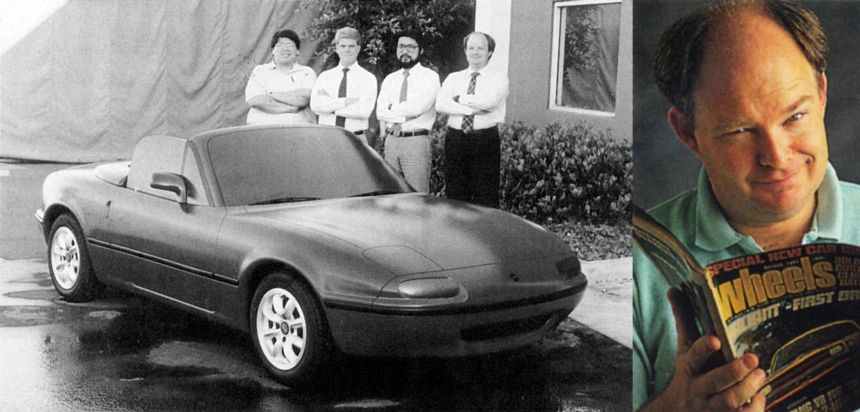
Why Lightness Matters
Light cars feel alert and honest. They turn in faster, stop with less drama, and ask less from consumables like tires and brakes. They’re easier on fuel and kinder to roads. Most of all, shedding mass sharpens the signal-to-noise ratio between chassis and driver, exactly what the MX-5 is about.

The Generational Weight Story
NA: The pure template. Early cars hover just under a metric ton depending on market and trim, setting the baseline for feel.
NB: A modest step up in mass to accommodate more features and safety, but still lean and lively.
NC: The platform grows up. More space, more safety tech, and a power-retractable hardtop option add significant weight.
ND: Course correction. Mazda shrinks the car, ups structural efficiency, and trims more than 100 kg versus typical NC figures. Many trims return to roughly NA-era mass while meeting far tougher regulations. Later updates even add software aids like Kinematic Posture Control without adding hardware weight.
What “Gram Strategy” Looks Like
Mazda institutionalized weight discipline. The ND body uses more ultra-high-tensile steel and targeted aluminum to be lighter yet stiffer. Seats, wiring, brakes, and suspension pieces were redesigned to lose grams without losing function. The manual transmission is smaller and lighter, and packaging is tighter overall, shorter overhangs, right-sized components, and fewer heavy comfort layers where they don’t pull their weight.
Where the Kilos Went
The ND team didn’t just nibble, they changed direction. Shorter overall length, smarter materials, lighter seats and rotors, rethought top mechanism, and careful pruning of sound deadening stacked into a big result. The outcome is NA-like nimbleness with modern safety and a cabin that still feels finished, not stripped.

Proof of Concept: Japan’s 990S
The 990S is Mazda showing off. It’s an ND tuned for radical lightness: thinner bonnet, reduced insulation, forged wheels, and detail tweaks that skim mass everywhere. Curb weight starts with a “9” again, landing within shouting distance of the 1989 car while retaining today’s crash structure and electronics.
Light Yet Safe
Mazda didn’t chase lightness by cutting corners. Strategic aluminum panels and an increased share of ultra-high-tensile steel deliver stiffness without the penalty. Unsprung mass got special attention, lighter wheels, brakes, and suspension pieces pay back in ride and steering feel. Ergonomics helped, too: a manual soft top is not only simple and fast; it’s lighter than motorized solutions and keeps the center of gravity low.

The Trade-Offs (and How Mazda Manages Them)
Less insulation can add a little more texture to the cabin, and slimmer components leave fewer places to hide weight. Mazda mitigates the side effects with bushing tuning, roof-mechanism refinement, and tire choices that keep noise and harshness reasonable. Special variants like the 990S knowingly push NVH toward purity, by design.
Staying Light Without Compromise
- Pick lighter wheels and sensible tire sizes; avoid heavy 17s if you value feel over flash.
- If you track, consider two-piece or aluminum-hat rotors to trim rotating mass.
- Keep aero modest unless you truly need the downforce; big wings and splitters add weight and drag.
- Maintain the soft-top and drains, simple mechanisms are part of the car’s light-and-reliable ethos.
- Be cautious with power mods that demand larger radiators, intercoolers, and brakes. If you add weight, find places to subtract it.
Myths to Retire
“Modern safety killed lightness.” The ND is smaller and lighter than its NC predecessor while meeting stricter rules.
“Below 1,200 kg, weight doesn’t matter.” In a small, sensitive chassis like the MX-5, every kilo, especially unsprung or high-mounted mass, changes the conversation between your hands, the seat, and the road.
Short wheelbase, modest tire widths, and direct steering make the MX-5 unusually transparent. A 20–40 kg swing in wheels, tires, and brakes is obvious because you’re removing weight that the suspension has to move and control thousands of times per minute. Software aids like Kinematic Posture Control add body control without bolting on hardware, so you get the benefit without the baggage.
The MX-5’s greatness isn’t about chasing power, it’s about knowing when to stop. From Hirai’s original brief to the ND’s reboot and the 990S showcase, Mazda keeps recommitting to restraint: right size, right parts, and grams hunted everywhere. That’s why a Miata still feels like a conversation with the road, not a lecture.


