
Buying a Miata Out-of-State or Overseas: Import & Transport Guide
Buying a Miata from out of state or overseas isn’t scary with a plan. This guide walks you through the legal steps, required documents, shipping options, and the Miata-specific inspection checks that matter so you can buy confidently even when the car isn’t local.


So you found the right Miata, only catch is it isn’t local. No worries. Here’s a friendly, step-by-step walkthrough for buying out-of-state within the U.S. or importing from overseas, with the legal checkpoints, documents, shipping choices, and Miata-specific inspection tips that actually matter.
Buying Out-of-State vs. Overseas
If you’re buying out-of-state, pull a VIN/history report, book a third-party pre-purchase inspection, sort temporary registration and insurance, then decide whether to drive it home or ship it via open or enclosed carrier. In most cases you’ll pay sales or use tax when you register the car in your home state, not where you bought it. If you’re importing, confirm the car is legal under the 25-year safety rule and the 21-year emissions rule for stock vehicles, secure export and shipping paperwork, clear U.S. Customs on arrival, and then complete your state’s title and registration process.
Core Legal Checkpoints (U.S.)
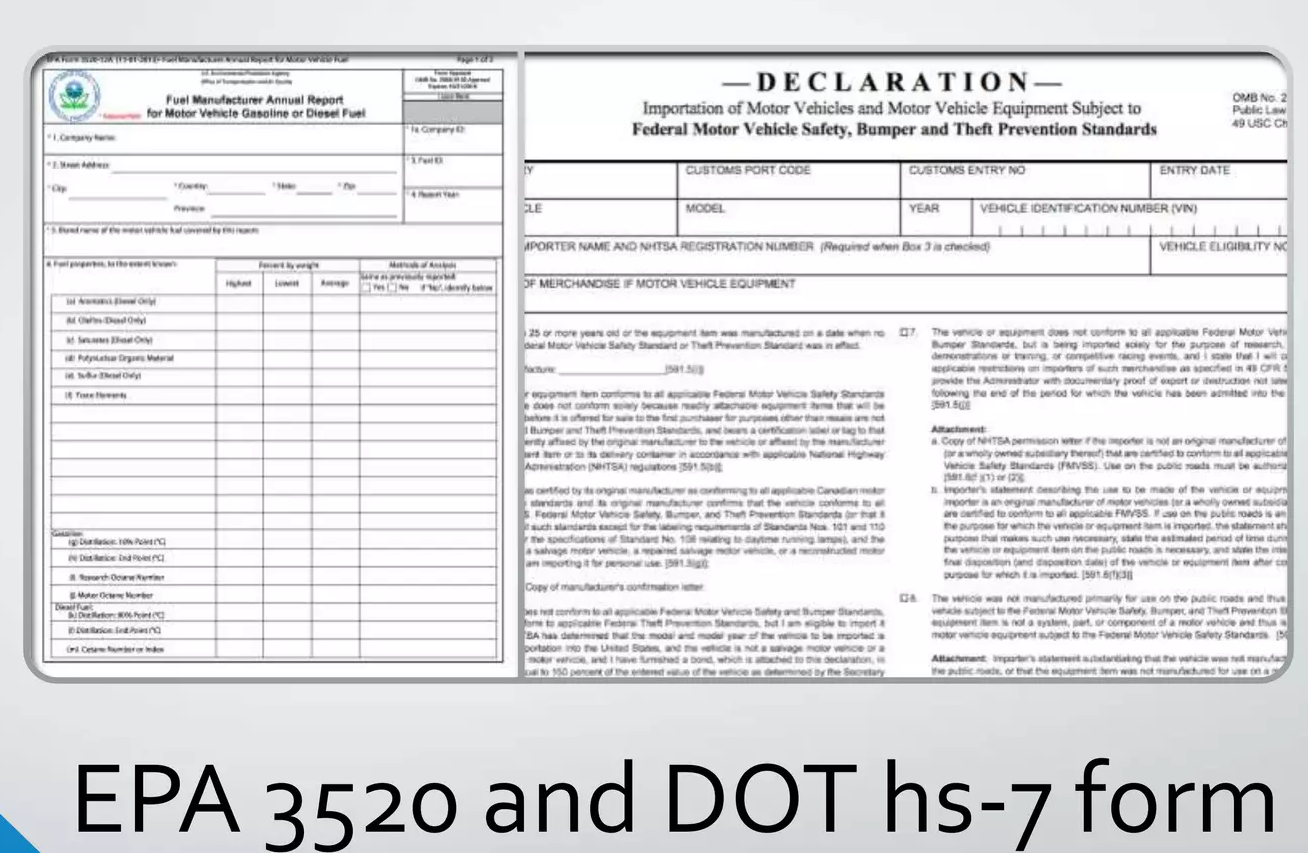
For safety, vehicles that are 25 years old or more to the exact month and day of build are exempt from Federal Motor Vehicle Safety Standards at import and are declared on the DOT HS-7 form. For emissions, vehicles 21 years old or older in original, unmodified configuration qualify for the EPA exemption using the EPA 3520-1 form; engine swaps and modifications can complicate this. Most passenger cars face a 2.5% customs duty, and depending on the car’s origin and current trade measures, additional tariffs may apply, so verify the current rules before you send money.
Documents You’ll Need (Overseas → U.S.)
From the exporting country, get the official deregistration or export certificate proving the car left the local register. From your carrier or freight forwarder, expect a Bill of Lading, booking or arrival notice, and a marine cargo insurance certificate if you purchase coverage. At U.S. entry, present DOT HS-7, EPA 3520-1, CBP 7501 (Entry Summary), proof of ownership and export documents, plus your ID, print multiples. For state titling and registration, most DMVs want the CBP-stamped 7501 as proof of lawful import, along with the foreign title/export certificate and your federal forms.
Shipping: RoRo vs. Container
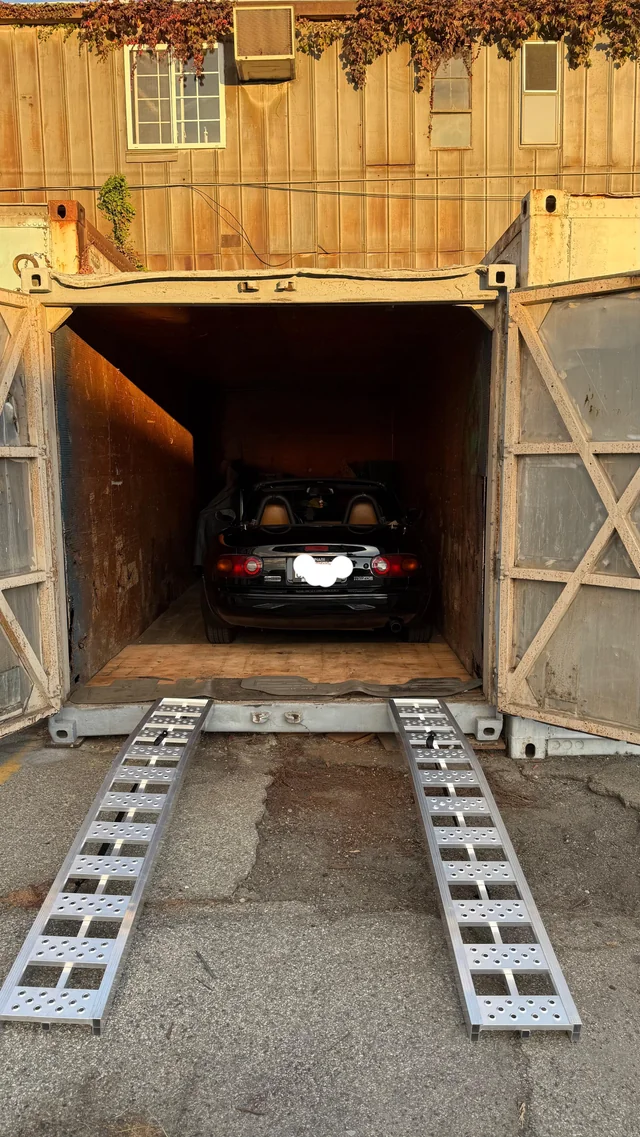
RoRo (roll-on/roll-off) is typically cheaper and quicker but requires the car to start and drive; insurance is often total-loss-only because there’s no detailed pre-load condition report, making it best for operable, standard-height cars. Container shipping costs more and can take slightly longer, but it offers better protection, clearer condition documentation, and the ability to ship spare parts with the car, ideal for valuable or modified Miatas. Whichever you choose, confirm insurance details: ocean policies often use a CIF-style value (cost + insurance + freight), commonly insured around 110% of invoice plus freight, and you should clarify whether coverage is all-risks or total-loss-only and what deductible applies.
Out-of-State (U.S.) Step-by-Step
Start with identity and history: use an NMVTIS-backed provider and match the windshield cowl VIN and door-jamb labels to the paperwork. Line up an independent PPI with underbody photos, a thorough road test, and, where feasible, compression or leak-down, then use the report to negotiate. Handle payment safely by avoiding wires to unfamiliar accounts, escrow impersonations, gift cards, and crypto; use traceable bank instruments or a reputable escrow service you select and verify. Sort temporary registration and insurance based on both the selling and home state rules, noting that several states are updating temp-tag processes. Decide whether to drive the car home or ship it; open carriers are cheaper while enclosed carriers offer better protection. When you arrive, register and pay your home state’s taxes and fees, and plan for inspection or emissions if required.
Overseas (to U.S.) Step-by-Step
Confirm the exact build date for the 25-year safety exemption and verify the car is stock for the 21-year emissions path if you want the simplest import. Vet the exporter thoroughly and request the chassis/VIN, clear images of the export certificate, underside photos, and a cold-start video. Choose between RoRo or container based on budget, condition protection, and whether you’re shipping parts, and add marine insurance with clearly stated coverage. For customs, file HS-7, 3520-1, and 7501, pay duty and any applicable tariffs, and arrange pickup from the port or hire a bonded transporter for inland delivery. Before you wire funds or book shipping, check your state’s imported-vehicle rules, some states require extra emissions or lab documentation, and budget extra time accordingly.
Miata-Specific PPI Checklist
Rust is the big one on NA/NB cars: inspect rear sills and rockers, lower front fenders, wheel arches, jack points, and underbody rails for bubbling paint, split seams, or soft metal. Verify VIN and labels match your documents, noting market-specific plate locations on imports. Check soft-top drains, carpets, and behind-seat areas for moisture that hints at clogged drains and hidden sill rot. Mechanically, listen for lifter tick on cold start (especially early NA), verify timing-belt history on NA/NB, confirm cooling system health, clutch engagement, and differential behavior under load and decel. On the chassis side, look at subframes, control-arm bushings, and shocks, and scan frame rails for crushed spots from poor jacking. On the test drive, make sure it tracks straight with no steering rack play, shifts cleanly, pay attention to 2nd/3rd-gear synchros, and brakes smoothly without vibration.
Title & Registration After Import (U.S.)
Bring a complete paper trail to the DMV: foreign title or export certificate, CBP-stamped 7501, HS-7, EPA 3520-1, and proof of duty payment. Many states will not issue a title without the stamped 7501. If your state is stricter, expect additional emissions or smog documentation and allow extra time for processing.
Cost Planning (What to Budget)
For domestic moves, distance, lane demand, and open versus enclosed transport set the quote, get multiple bids and ask about lead times. For ocean freight, price the shipping method (RoRo vs. container), port handling, storage, and inland trucking from the port, plus terminal fees at both ends. Add customs costs with the 2.5% base duty on passenger cars and verify whether any current tariffs apply based on origin. Don’t forget insurance: set a realistic declared value, confirm coverage scope and exclusions in writing, and know your deductible.
Remember! history first, independent inspection second, money third. If a seller pressures you to skip checks, that’s a red flag. Use only traceable, verified payment channels, double-check any last-minute changes to account details by calling a published number, and pick your escrow service yourself rather than using one suggested by the seller.


