
Building the Perfect Daily + Track Hybrid Miata
Build a Miata that commutes all week, runs HPDE all weekend, and drives home drama-free. Focus on reliability, sensible suspension, proven alignment, and street-friendly brake/tire setups. Skip race-only parts.


Build a Miata you can commute in all week, drive to the track, run all weekend, and drive home without wrecking your back or boiling the brakes. The goal is a balanced Miata that stays friendly in rain, traffic, and potholes, yet holds up through full HPDE sessions. That means reliability, safety, and consistency over hero laps. Skip ultra-stiff “race only” coilovers and shouty pads that squeal and dust like crazy. Pick alignments, tires, and brake compounds that won’t shred themselves on the commute. The thesis is simple: nail the basics, fresh maintenance, sensible suspension, a proven alignment, and a sane brake/tire setup. Power and aero can wait until you’ve maxed out driver skill and consistency.
The Foundation
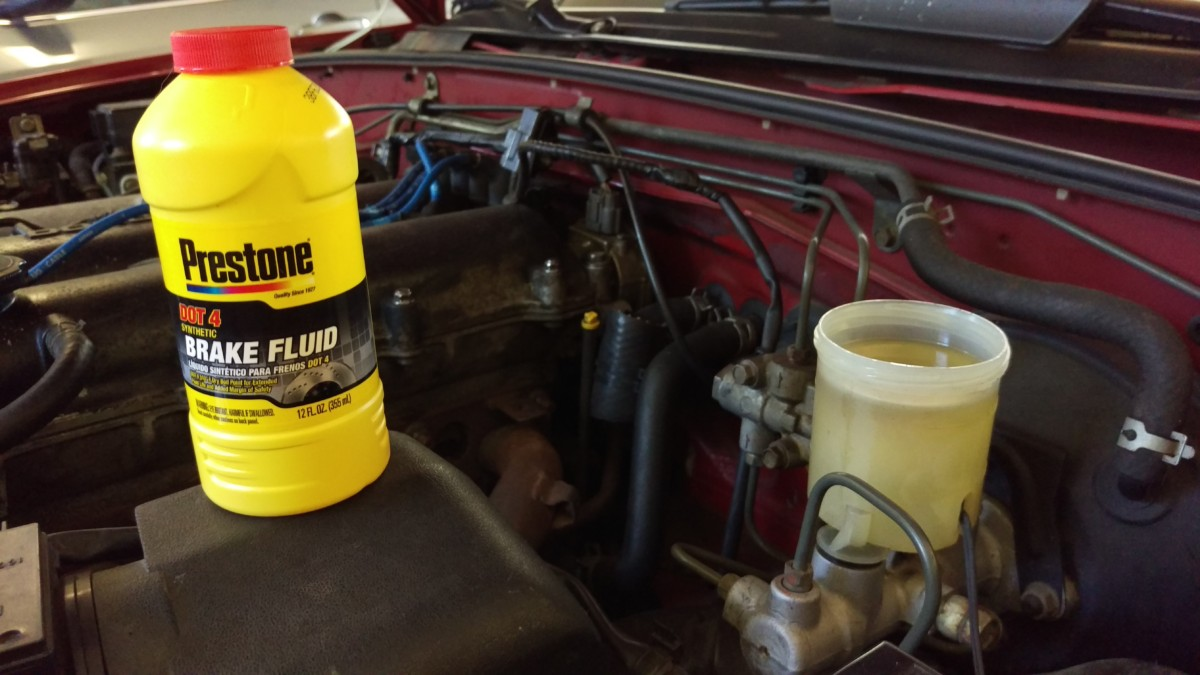
Mods don’t matter if your fluids and hardware are tired. Change oil near track time and keep it topped. Flush to a high-quality DOT 4 brake fluid before events. Use proven GL-4 in the transmission and GL-5 in the diff. Inspect pads and rotors, make sure sliders move freely, and verify you’ve got plenty of pad material. Check hubs and bearings for play or noise, older NA/NB fronts become consumables with sticky tires. Fix any steering slop, replace cracked boots and tired ball joints, and make sure the cooling system (radiator, hoses, belts) is leak-free.
Suspension & Alignment: Getting 80% Without Hating the Commute
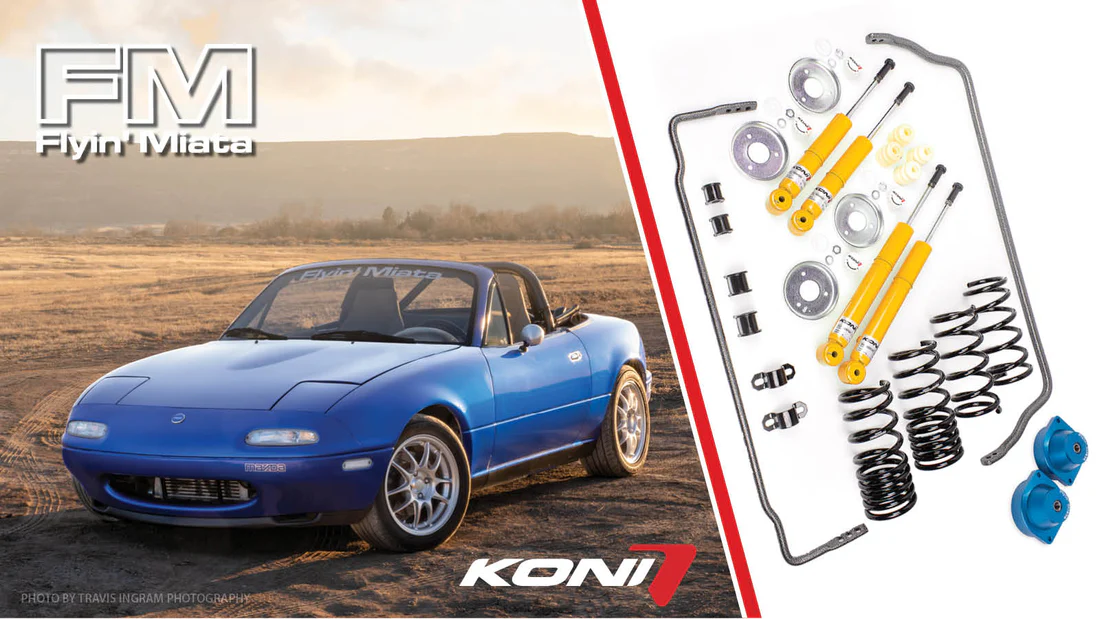
Start with quality dampers and mild springs; the classic “Koni + springs” approach delivers a huge control upgrade without destroying ride quality. If you step to coilovers, choose street-friendly, digressively valved units with moderate rates. Don’t slam the car, too low wrecks geometry, puts you on bump stops, and makes the car worse on both street and track. A slightly stiffer front sway bar can sharpen turn-in, but mismatched bars create snap and harshness, so be gentle. Fresh rubber bushings throughout can transform feel; selective “comfort” poly is okay, but full poly or solid mounts nudge the car into “track first” territory.
For alignment, think plain English. Negative camber keeps the outer shoulders alive under load. Positive caster increases camber gain in turns. Toe-in calms the car on the highway; toe-out sharpens turn-in but hurts tire life. For a daily-first setup, target roughly −1.0° to −1.3° of camber, max caster the chassis allows, zero toe up front, and a hair of rear toe-in for straight-line stability. For a track-heavier dual-use, push front camber closer to about −2.0° if your hardware allows, keep max caster, and run near-zero toe to save tires. NA/NB owners: lowering often stacks rear camber; you may need adjustable rear arms to bring it back to sanity.
Wheels & Tires
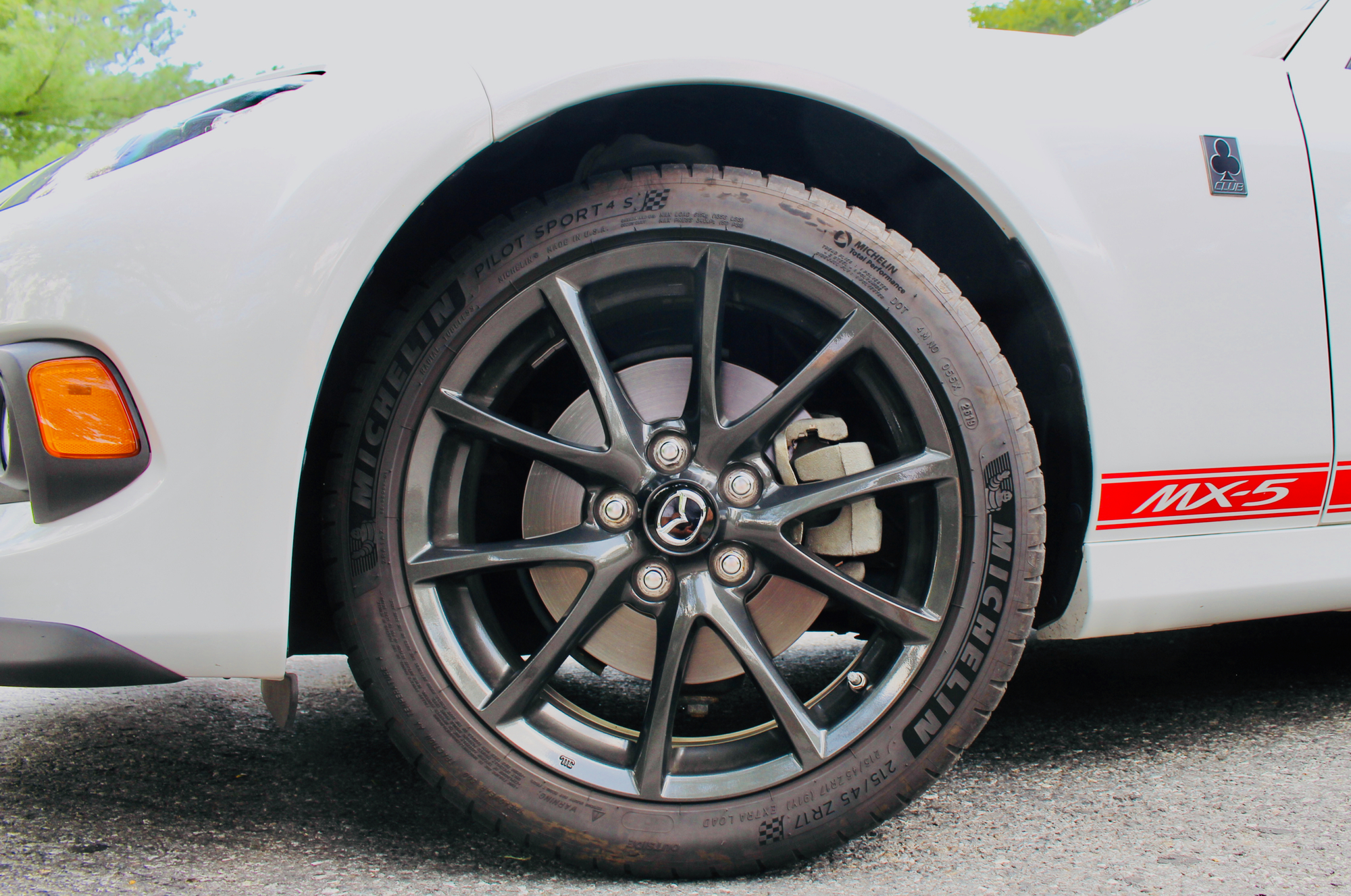
NA/NB cars are happiest on 15×7 to 15×8 for dual-use. NC/ND builds commonly run 17×7 to 17×7.5 with ~215-wide tires, echoing the baseline that works so well on track. For a daily that sees events, modern 200-tw “extreme performance summer” tires hit the sweet spot of grip, heat tolerance, and durability. First-timers can absolutely start on healthy street tires to learn lines and manage temps. If you’re doing lots of events, keep a dedicated track set and save your street tires for rain, cold, and commuting. Slightly narrower, lighter wheels keep unsprung mass, and your budget, under control.
Brakes
Fresh DOT 4 fluid is non-negotiable. Choose a street/track pad with decent cold bite and real fade resistance; cheap “sport” compounds tend to crumble at tempo. Stainless lines can improve pedal feel without adding daily downsides when installed correctly. NA cars can feel front-biased, don’t over-rotate into rear lockup just to chase feel. On newer cars, stock hardware is better than people think; upgrade pads, rotors, and fluid first. If you’re cooking the brakes in longer sessions, look to higher-end pad compounds and better front hardware before you jump to race-car solutions. Check pad thickness every event, watch for heat-checking on rotors, and bleed fluid on a sensible cadence, every one or two events for frequent drivers, annually for light users.
Power, Cooling, and Drivetrain: Sensible Gains First
Cooling beats horsepower in a dual-use car. Make sure the radiator is healthy, the system is clean, and temps stay in range. Many NC drivers run oil at the top mark (or slightly over) for track days; frequent hot-lapping may justify baffles or additional oil control. Diff and gearbox temps only become a worry with lots of hard sessions, fresh fluid and periodic checks usually suffice. On NA/NB, intake and exhaust mostly add sound; the real lap-time comes from suspension, alignment, tires, and the driver. On NC/ND, a header, tune, and cat-back can add a useful mid-range, but they also add heat and noise, so decide how much comfort you’ll trade. Forced induction is fun but ups the complexity, more heat, stronger clutch, and stricter tuning and monitoring. It’s rarely the best move for a “perfect hybrid.” ND owners should simply stay diligent about gearbox fluid and shift technique and keep an ear out for any odd synchro behavior.
Interior, Safety, and Ergonomics
Many HPDE groups require legit rollover protection on convertibles, and they’ll broomstick-test you. There are bars that work with NC PRHT and ND RF, so you can keep your roof convenience. For the street, supportive reclining seats and stock belts are the easiest to live with. If you’re leaning harder into track use, a fixed-back driver’s seat and a removable harness bar pair well with a proper roll bar and head-and-neck restraint on track. Dial in your driving position: heel-toe-friendly pedal spacing, a wheel size/offset that fits, and a shifter you actually like. Organize tools, fluids, and your helmet so nothing rattles, and keep the A/C, stereo, and insulation, this is a dual-role car, not a punishment.
NVH, Comfort, and Long-Drive Livability
Noise and harshness creep up fast: coilover clunks, poly squeaks, droning exhausts, and aggressive tires can make you hate the commute. Choose well-valved street coilovers, retain some rubber bushings, and pick an exhaust with proper resonators. Don’t slam the car; a mild drop with good damping is faster in the real world and far easier to live with. If you actually see winter, keep a cold-weather set. In rain, favor tires with real water evacuation over razor-edged dry performance.
Reliability & Maintenance
Before events, torque lugs, check underneath for leaks, top fluids, measure pad thickness, and inspect tires. Between sessions, reset hot pressures, recheck lugs, and glance at pads and fluid level if you’re pushing. After the weekend, change oil every few events, bleed brake fluid on a cadence that matches use, and get an alignment check if you’ve kerbed anything or the car feels “off.” Track rough mileage on pads, rotors, tires, and fluids. NC/ND owners should log oil checks and note any gearbox or diff behavior so nothing sneaks up on you.


